Leadership training for technically skilled managers
Leadership training for technically skilled managers - Promotion Is Not Preparation: Why Technically Skilled People Need Leadership Training
Many businesses promote people because they are technically strong.
On the surface, it makes perfect sense.
- They know the job
- They understand the process
- They are reliable
- They solve problems
- They are respected by the team
- They have often been the person others turn to when things go wrong
So, when a supervisor, team leader or management position becomes available, they seem like the obvious choice.
But this is where many businesses make a costly mistake.
They assume that because someone is technically capable, they will automatically know how to lead.
They often don’t.
Manufacturing Leadership Scorecard
Answer each question to receive your leadership score.
Technical skill may help someone earn a promotion, but it does not prepare them for the reality of leadership. Managing people requires a completely different set of skills. It requires communication, confidence, emotional control, delegation, accountability, decision-making, performance management and the ability to deal with difficult conversations.
Without leadership training, even the most capable person can quickly start to struggle.
Not because they are the wrong person.
Not because they lack commitment.
Not because they do not care.
But because they have been promoted into a role they have not been properly prepared for.
Leadership training for technically skilled managers
The Promotion Trap
The promotion trap happens when a business rewards technical ability with a leadership role, but then provides little or no support to help that person make the transition.
It is one of the most common leadership problems in manufacturing, operations and practical working environments.
Someone is excellent at the job, so they are promoted to lead others doing the job.
But doing the work and leading the people who do the work are not the same thing.
A technically skilled employee is usually judged by their own performance. They are responsible for their own standards, their own output and their own behaviour.
A manager is judged by their ability to influence the performance of others.
That is a major shift.
Suddenly, success is no longer just about being good at the task. It is about helping other people perform well. It is about setting expectations, giving feedback, handling issues, motivating different personalities, communicating clearly and making decisions that may not always be popular.
That shift can feel uncomfortable, especially when the new manager is leading people who used to be their peers.
Why Technical Skill Is Not Enough
Technical skill is valuable. It should never be dismissed. In many businesses, particularly manufacturing businesses, technical knowledge is essential.
But technical ability alone does not make someone a leader.
A technically strong person may know how to fix a problem, improve a process or complete a task to a high standard. But that does not mean they automatically know how to:
Hold someone accountable
Delegate effectively
Challenge poor performance
Give constructive feedback
Communicate expectations clearly
Handle conflict
Lead a team briefing
Motivate people who think differently
Manage former peers
Build trust without trying to be liked by everyone
These are leadership skills.
They are not always learned through experience alone. In fact, without proper guidance, people often develop habits that make leadership harder.
Some avoid difficult conversations because they feel uncomfortable.
Some continue doing the work themselves because it feels easier than delegating.
Some try to stay friends with everyone and avoid setting boundaries.
Some become too forceful because they think leadership means being in control.
Some become overwhelmed because they are trying to manage tasks and people at the same time.
None of this means they are failing.
It means they need development.
Leadership training for technically skilled managers
The Challenge of Leading Former Peers
One of the hardest transitions for a new manager is leading people who were once their colleagues.
Yesterday, they were part of the team.
Today, they are responsible for managing the team.
That change can create tension.
The new manager may worry about being seen differently. They may feel awkward giving instructions to people they used to work alongside. They may avoid challenging behaviour because they do not want to damage relationships. They may find it difficult to separate friendship from fairness.
Former peers may also struggle with the change.
Some may test boundaries.
Some may expect special treatment.
Some may resist being managed by someone they previously saw as an equal.
Some may question decisions.
Some may continue communicating informally, even when the situation now requires clarity and professionalism.
This is where leadership training becomes essential.
New managers need to understand how to reset relationships without becoming cold or distant. They need to learn how to be approachable without being overly familiar. They need to lead with fairness, consistency and confidence.
The goal is not to stop being human.
The goal is to understand that leadership changes the nature of the relationship.
Communication Becomes More Important Than Ever
Poor communication is one of the first signs that a new manager is struggling.
They may assume people know what is expected.
They may give instructions that are too vague.
They may avoid checking understanding.
They may pass on information inconsistently.
They may communicate differently with different people, creating confusion or resentment.
In a manufacturing environment, communication problems can quickly become operational problems.
A missed instruction can affect quality.
An unclear expectation can affect output.
A poor handover can affect the next shift.
A lack of feedback can allow mistakes to continue.
A difficult conversation avoided today can become a bigger issue next week.
Leadership training helps managers understand that communication is not simply about talking.
It is about clarity.
Good leaders learn to communicate what needs to happen, why it matters, what standard is expected, who is responsible and when action is required.
They also learn to listen properly.
Many new managers believe they need to have all the answers. In reality, effective leadership often starts with better questions, better listening and better follow-up.
Leadership training for technically skilled managers
Managing Performance Is a Skill
Another common problem is performance management.
Many newly promoted managers find this difficult because it feels personal. They may worry about upsetting someone, creating conflict or being seen as harsh.
So they delay the conversation.
- They hope the issue will improve on its own.
- They mention it casually but do not follow up.
- They talk around the problem instead of addressing it directly.
- They complain to senior managers but do not speak clearly to the person involved.
The result is predictable.
Poor performance continues. Standards become inconsistent. Other team members notice. Frustration builds. The manager loses confidence. The business loses time.
Performance management does not have to be aggressive or confrontational. In fact, good performance management is usually calm, clear and fair.
But it does require skill.
Managers need to know how to describe the issue, explain the impact, set expectations, agree actions and follow up. They need to understand how to challenge behaviour without attacking the person. They need to know the difference between support and avoidance.
These are not instincts everyone naturally has.
They can be learned.
Latest Articles





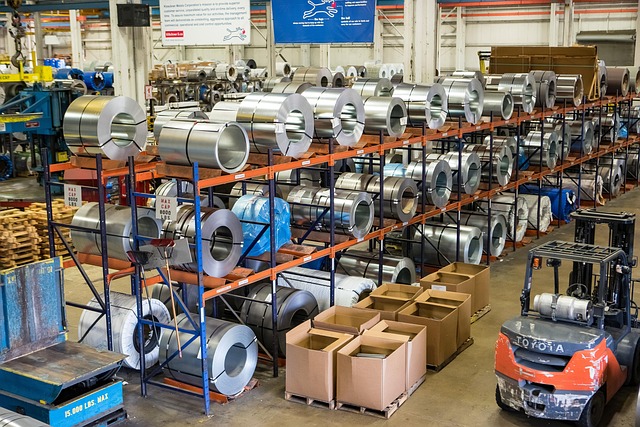


Delegation Is Often Misunderstood
Technically skilled people are often used to being the person who gets things done.
That strength can become a weakness when they move into management.
Instead of leading the team, they continue doing too much themselves. They step in too quickly. They fix every problem. They take tasks back when others struggle. They become the bottleneck.
This often happens because doing the task feels faster than teaching someone else. It also feels safer. The new manager knows they can do it properly, so they keep control.
But leadership is not about proving you are the best at the task.
It is about building capability in others.
Delegation is not dumping work on people. It is not simply telling someone to do something and walking away. Effective delegation means choosing the right task, giving clear expectations, checking understanding, providing support and allowing people to take responsibility.
Without delegation, managers become overloaded and teams become dependent.
With good delegation, people grow!
Confidence Does Not Arrive Automatically
Many businesses assume confidence will come with time.
Sometimes it does.
But often, without support, the opposite happens.
The newly promoted manager starts to realise the role is harder than expected. They face difficult conversations, unclear expectations and pressure from both sides. Senior leaders expect them to manage the team. The team expects them to remain approachable and understanding.
They can feel caught in the middle.
This is especially true for supervisors and team leaders, who often carry responsibility without feeling they have real authority.
Leadership training gives people a framework. It helps them understand what good leadership looks like. It gives them language, tools and practical approaches they can use in real situations.
Confidence grows when people know what to do.
Leadership training for technically skilled managers
The Hidden Cost to the Business
When managers are promoted without training, the cost is not always obvious at first.
The business may still function. Work may still get done. People may still turn up.
But underneath, problems start to build.
Communication becomes inconsistent.
Standards vary between teams or shifts.
Poor performance is tolerated for too long.
Senior managers get dragged into issues that should have been handled earlier.
Good employees become frustrated.
New managers become stressed.
Team morale drops.
Conflict increases.
Accountability weakens.
The cost is not just financial. It is cultural.
People begin to accept inconsistency as normal. They stop expecting clear communication. They work around weak management instead of addressing it. Over time, this affects performance, trust and retention.
A business may think it is saving money by not investing in leadership development.
In reality, it may be paying for that decision every day through avoidable problems.
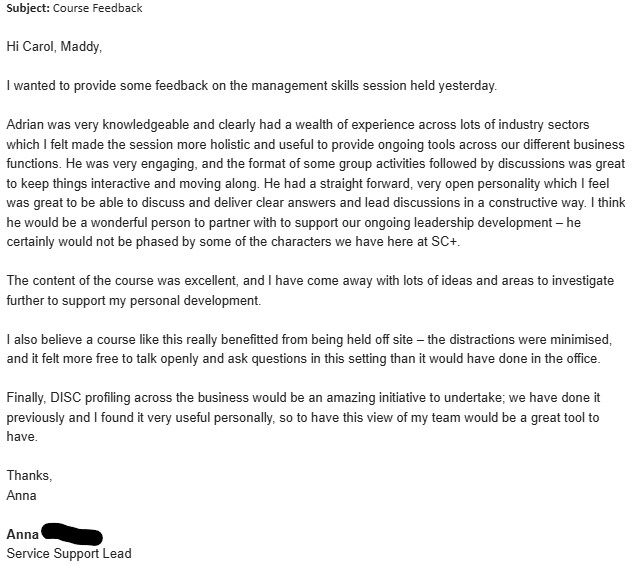 Practical leadership training for newly promoted manufacturing supervisors
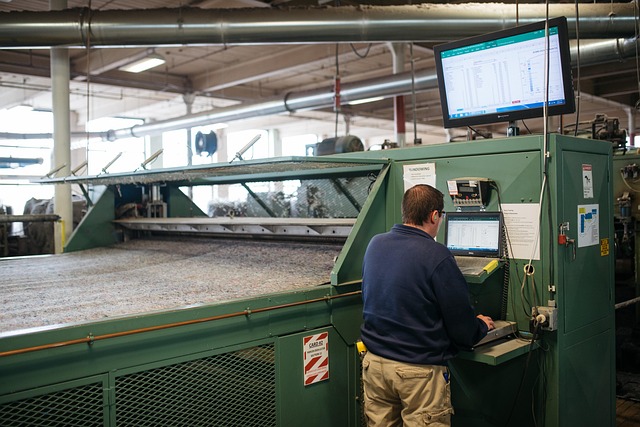
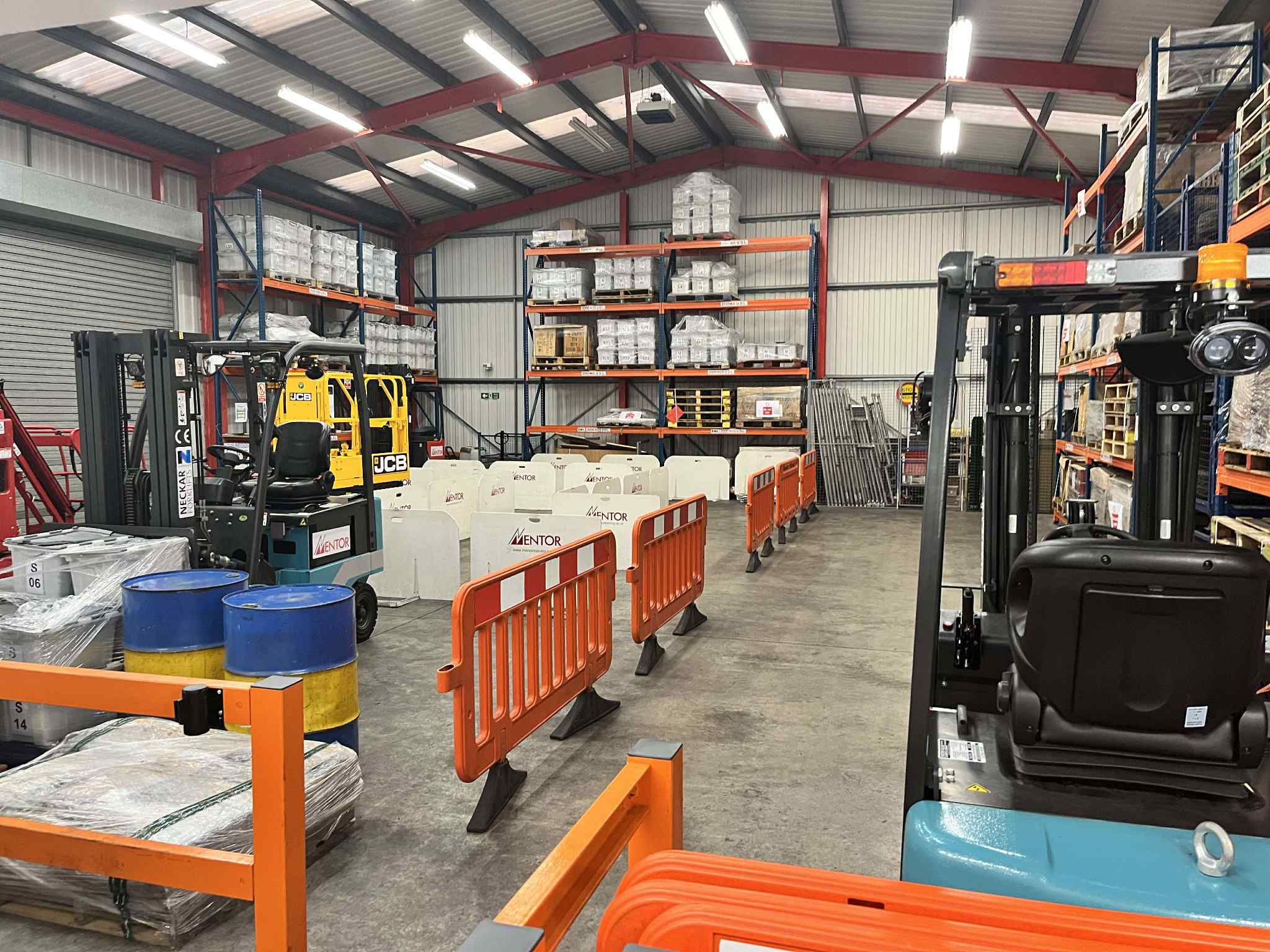
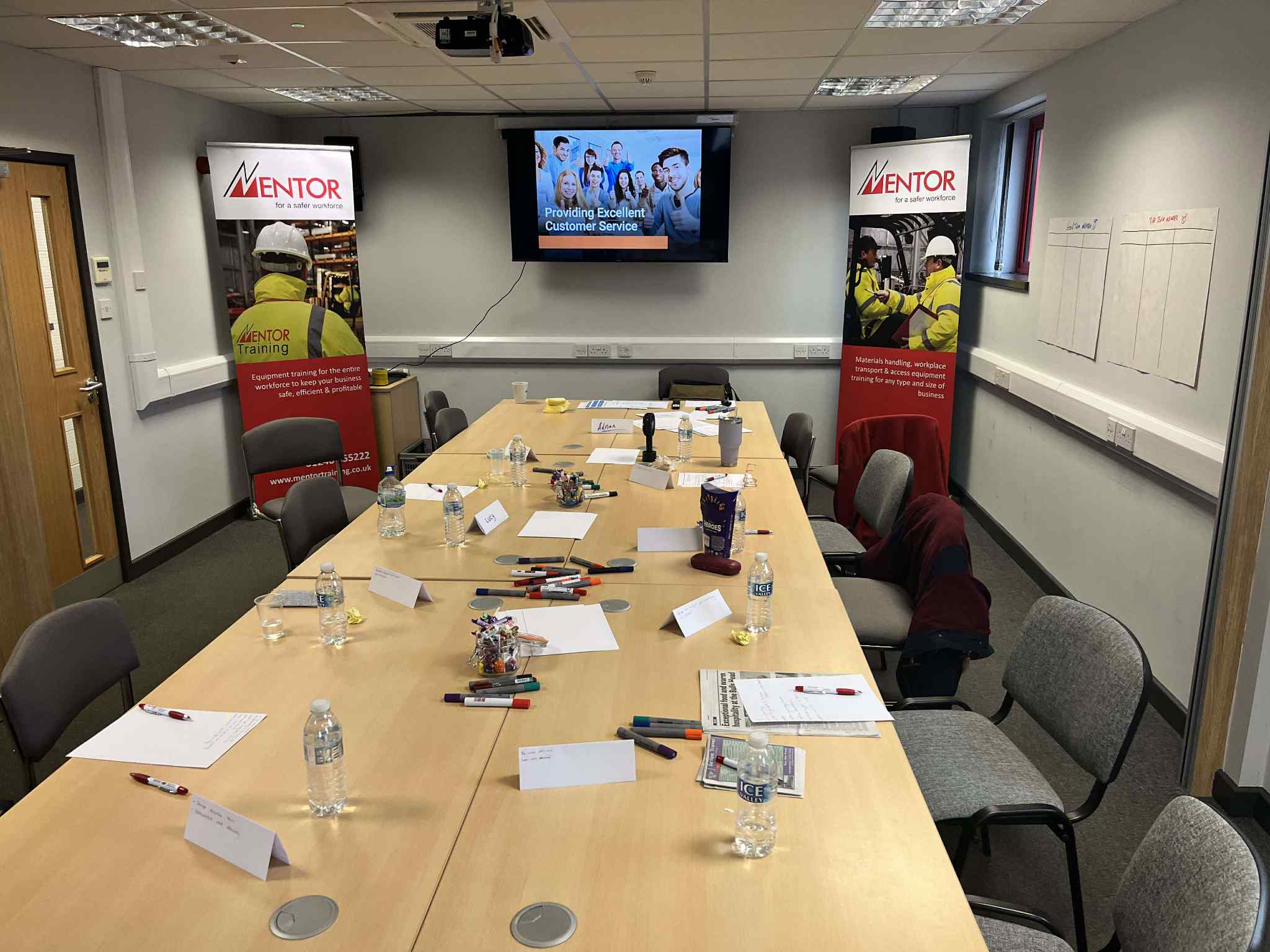
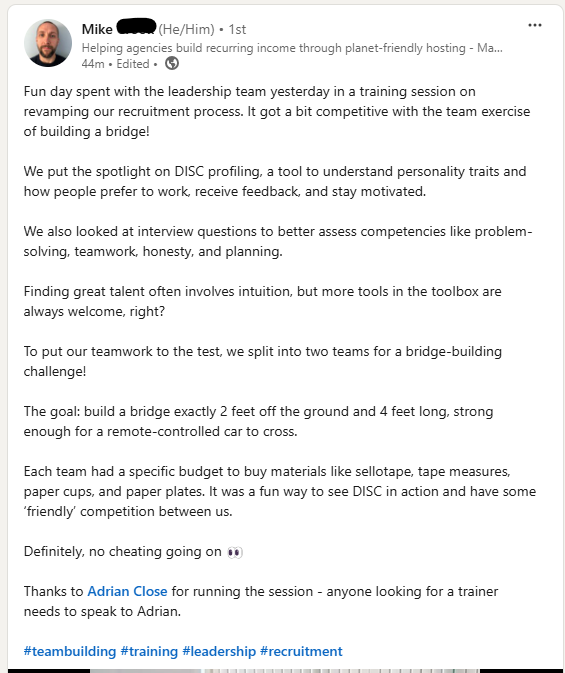 Front-line leadership development for production supervisors and team leaders Front-line leadership development for production supervisors and team leaders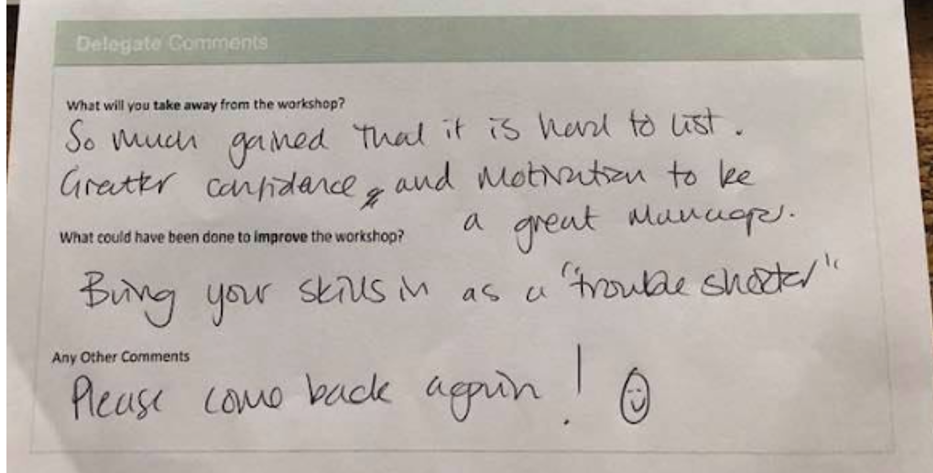 Manufacturing leadership academy focused on communication and accountability Manufacturing leadership academy focused on communication and accountability |
Promotion Should Be a Development JourneyPromoting technically skilled people is not the problem. Many of them can become outstanding leaders. They often have credibility, experience and practical understanding. They know the realities of the job. They understand the pressures the team faces. They can relate to the people they lead. These are powerful advantages. But those advantages need to be supported by leadership development. Promotion should not be treated as the finish line. It should be the beginning of a structured development journey. Before someone steps into leadership, they should understand what will change. They should be prepared for the shift from doing to leading. They should be given tools for communication, delegation, performance management and accountability. And once they are in the role, they should continue to receive support. Leadership is not learned in a single moment. It develops through practice, reflection, feedback and guidance. What New Managers Really NeedNew managers do not need theory that feels disconnected from their workplace. They need practical training that helps them deal with real situations. They need to know how to have better conversations. Most of all, they need to understand that leadership is not about becoming someone else. It is about becoming more intentional in how they influence others. Good leadership training helps people lead in a way that is clear, fair and human. |
Leadership training for technically skilled managers
A Better Question for Businesses
When a business promotes someone into management, the question should not simply be:
“Are they good at the job?”
That matters, but it is not enough.
The better questions are:
Can they communicate expectations clearly?
Can they handle difficult conversations?
Can they lead people who were once their peers?
Can they delegate instead of doing everything themselves?
Can they manage performance fairly and consistently?
Can they motivate others?
Can they stay calm under pressure?
Can they represent the standards of the business?
Can they make the shift from team member to leader?
If the answer is “not yet,” that does not mean they should not be promoted.
It means they need training.
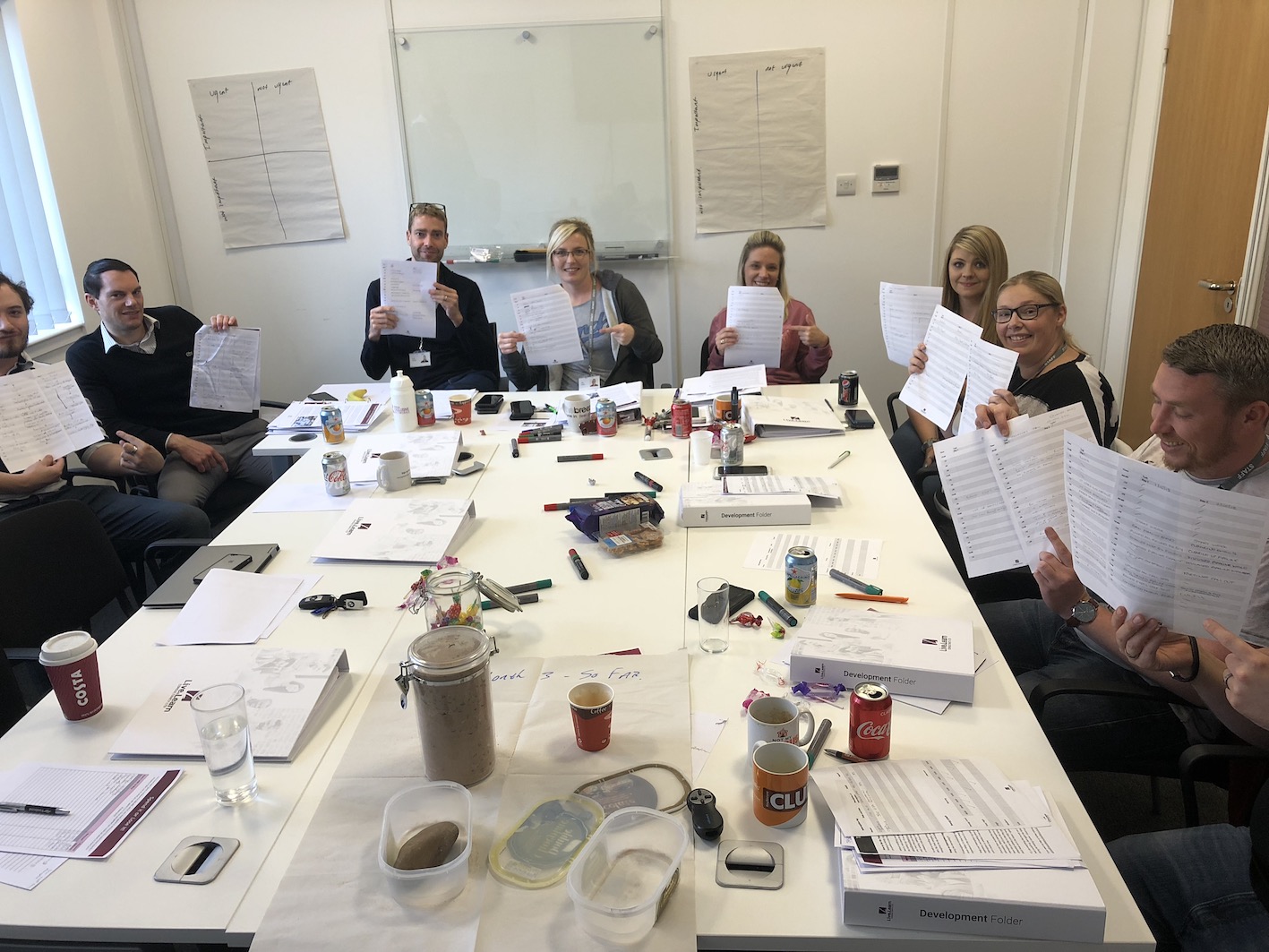 Leadership development for supervisors managing teams on the shop floor
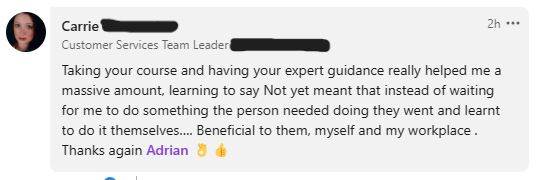 Online management training for manufacturing team leaders and new managers
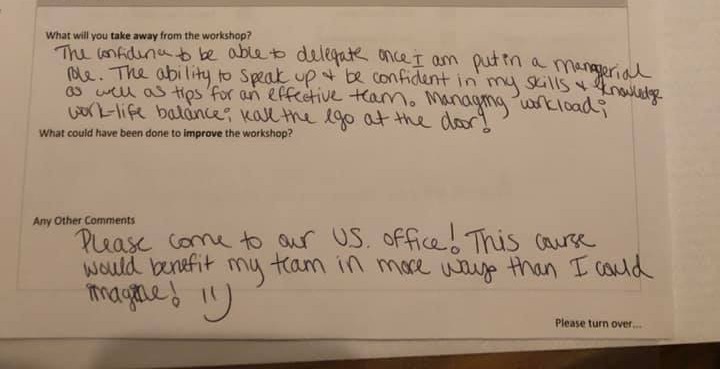 Practical leadership skills for supervisors in production and operations
Conclusion: Do Not Leave Leadership to Chance
Promoting technically skilled people can be one of the best ways to build leadership from within.
But only if they are prepared properly.
Without leadership training, new managers may struggle to manage performance, communicate clearly and lead former peers effectively. They may become overwhelmed, inconsistent or unsure of themselves. And the business may feel the impact through avoidable conflict, unclear standards and reduced accountability.
Technical skill may earn the opportunity.
Leadership training helps people succeed in it.
Businesses that understand this do not leave new managers to work it out alone. They give them the structure, tools and support to grow into the role with confidence.
Because promotion is not preparation.
It is the point where preparation matters most.
Leadership training for technically skilled managers - Contact One of the Team
If your business promotes technically skilled people into supervisory or management roles, don’t leave their leadership development to chance.
The Online Leadership Academy for Manufacturing is designed to help supervisors, team leaders, new managers and managers without formal training build the confidence, communication skills and practical leadership tools they need to succeed.
If you want your managers to lead with more clarity, consistency and confidence, let’s have a conversation.
Contact Adrian Close today to discuss how the Online Leadership Academy for Manufacturing can support your business.
Contact One of the Team Here to Discuss Your Training Needs
Leadership training for technically skilled managers
Companies That Have Received Leadership and Management training From Us - Both On and Off-line
 Manufactures Machines
 Civil Engineers
 Sheffield Engineering
 Carbon Technology


 Heating Solutions
 Engineers and Sustainability Consultants



 Chutney and Relish

 Food Producers




Leadership training for technically skilled managers
See our latest articles and more:
Which online leadership training works for manufacturing supervisors?
How do I train production team leaders without taking them off the floor for days?
What leadership skills do first-time managers in manufacturing need?
What is the best way to develop shift leaders in a factory?
Can leadership training be delivered online for manufacturing teams?
Why Promoting Technically Skilled People Without Leadership Training Creates Problems
The Leadership Skills Every Manufacturing Supervisor Needs to Succeed
How Online Leadership Training Can Support Busy Manufacturing Teams
From Shop Floor Expert to Confident Leader: What New Managers Need to Learn
Why Front-Line Leadership Development Is Critical for Manufacturing Performance
Click here for more information about Adrian Close, Director of Learning at Ultimate Leadership Training
 Adrian Close’s Starting Strong book used in leadership training for manufacturing managers
Thank you for visiting our Leadership training for technically skilled managers page, here is a link to our Homepage
Leadership training for technically skilled managers, many businesses promote technically skilled people into management roles without preparing them to lead. Discover why leadership training is essential for new managers, supervisors and team leaders who need to communicate clearly, manage performance and lead former peers effectively.
Leadership training for technically skilled managers