Training Is Not a Luxury: It Is the Infrastructure of a Better Business
Training Is Not a Luxury - For too long, training has been treated as something businesses do when there is spare budget, spare time and spare capacity.
That thinking is costing companies far more than they realise.
When pressure rises, training is often one of the first things to be cut. It is placed in the “nice to have” column, somewhere below machinery, recruitment, sales activity, compliance and day-to-day operations. Yet businesses still expect better productivity, stronger managers, improved communication, higher engagement, lower turnover and more consistent performance.
The uncomfortable question is this:
How can a business expect stronger results while reducing investment in the very people responsible for delivering them?
Recent UK data shows that employer investment in training has fallen sharply. Total UK training expenditure fell from £59bn in 2022 to £53bn in 2024, a 10% real-terms decline and the lowest spending level recorded in over a decade. Government statistics also show that total UK training expenditure in 2024 was down 18.5% since 2011.
That is not just a training problem. It is a business performance problem.
Manufacturing Leadership Scorecard
Answer each question to receive your leadership score.
Training Is Not an Event - It Is Business Infrastructure
Most business leaders understand infrastructure when it is physical.
They invest in equipment, systems, software, processes, vehicles, tools and technology because they know the business cannot function properly without them.
But people infrastructure is often treated differently.
Leadership capability, management confidence, communication standards, coaching skills, accountability, team culture and decision-making are not soft extras. They are the operating system of the business.
When managers are poorly trained, the whole organisation feels it.
Instructions become unclear. Performance conversations are avoided. Problems are allowed to drift. Good employees become frustrated. Poor behaviours go unchallenged. Supervisors become overwhelmed. Senior leaders get pulled into issues that should have been handled earlier.
Then the business asks: “Why are we not more productive?”
The answer may be simpler than expected.
You cannot build a high-performing business on underdeveloped people.
The False Economy of Cutting Training
When budgets tighten, cutting training may appear sensible. It creates an immediate saving. It protects cash. It avoids taking people away from their daily roles.
But this is often a false economy.
The cost does not disappear. It moves.
It appears in rework, mistakes, low morale, avoidable conflict, poor communication, missed targets, higher absence, weak supervision and staff turnover.
It appears when newly promoted managers struggle because they were never shown how to lead.
It appears when technically skilled employees are promoted into management roles and expected to “just know” how to manage people.
It appears when supervisors in manufacturing environments are expected to handle performance, pressure, safety, quality, people issues and change - without structured development.
The business saves money on training, then pays for the consequences elsewhere.
The Problem With One-Day Training
One-day courses can be useful. They can introduce ideas, refresh knowledge and create a short burst of motivation.
But one day rarely changes behaviour.
That matters because leadership and management are not simply knowledge-based skills. They are behaviour-based skills.
A manager does not become better at delegation because they heard about delegation once. They become better because they practise it, reflect on it, receive feedback, adjust their approach and try again.
A supervisor does not become more confident in difficult conversations because they attended a single workshop. They build confidence through preparation, repeated practice, real-world application and support.
A leader does not create better habits by being inspired for a day. Habits change through repetition.
That is why longer programmes such as a Leadership and Management Growth Academy or a Manufacturing Leadership Academy are so valuable. They are not simply courses. They are structured development systems.
Why Longer Academies Create Better Results
Longer training programmes work because they reflect how people actually change.
They create space for learning, application, review and accountability.
Instead of overwhelming learners with information in one day, an Academy allows development to happen in stages. Learners can explore a topic, apply it in their workplace, return with real examples, discuss what worked, learn from what did not, and build confidence over time.
This is where real change happens.
Not in the training room alone.
But in the movement between training, workplace action, reflection and accountability.
A longer Academy helps learners turn knowledge into behaviour. Behaviour into habits. Habits into standards. Standards into culture.
That is why the length of the programme is not a weakness. It is the reason it works.
Support Is What Turns Learning Into Confidence
Many managers do not fail because they do not care.
They fail because they are unsupported.
They are promoted, handed responsibility and expected to figure it out. They may be managing former peers. They may be dealing with difficult employees. They may be under pressure from senior leaders while also trying to motivate their teams.
Without support, they often default to survival mode.
Some avoid difficult conversations. Some become too controlling. Some try to do everything themselves. Some become inconsistent. Some lose confidence.
A structured Academy gives learners the support they need while they are developing.
They are not left alone with a workbook and good intentions. They have guided sessions, practical tools, discussion, reflection and encouragement. They can ask questions. They can bring real workplace challenges into the learning environment. They can see that other managers face similar issues.
This support is not a luxury. It is the bridge between understanding and doing.
Accountability Is the Missing Link in Most Training
One of the biggest weaknesses of traditional training is the lack of follow-through.
Someone attends a course. They enjoy it. They leave with ideas. Then the inbox is full, the production issue is urgent, the team problem resurfaces, and the learning slowly disappears.
Nothing changes because nothing requires it to change.
Accountability changes that.
Within a longer Academy, learners are expected to take action. They are encouraged to apply the learning. They return to discuss progress. They reflect on what they have done. They consider what needs to improve.
This creates momentum.
Accountability does not mean pressure for the sake of pressure. It means helping learners take ownership of their development.
It says: “This matters. Your growth matters. Your team needs you to apply this.”
That is how training becomes more than attendance.
It becomes action.
The Accidental Manager Problem
Many UK businesses are full of accidental managers.
These are people who were good at their previous job, so they were promoted into management. They may have been excellent engineers, operators, administrators, salespeople or technicians.
But being good at the job is not the same as being good at managing people who do the job.
Management requires a different skill set.
It requires communication, coaching, delegation, prioritisation, emotional intelligence, conflict management, performance conversations and the ability to create clarity for others.
When these skills are not developed, the business suffers.
The manager may still be technically capable, but their team may lack direction. Their confidence may drop. Their communication may become reactive. Their ability to develop others may be limited.
A Leadership and Management Growth Academy directly addresses this issue. It gives managers the structure, tools and confidence they should have received before being placed in such influential roles.
Manufacturing Leadership Needs More Than Technical Skill
In manufacturing, the leadership challenge is especially important.
Supervisors and managers are often responsible for output, quality, safety, efficiency, people, communication and problem-solving. They are expected to keep things moving while also managing pressure from every direction.
Technical knowledge matters, but it is not enough.
A manufacturing leader needs to know how to communicate expectations clearly, handle underperformance, build trust, manage change, support continuous improvement and keep people engaged in demanding environments.
A Manufacturing Leadership Academy provides the time and structure to develop these skills properly.
It connects leadership development to the real world of manufacturing. Not theory for theory’s sake. Practical leadership that can be used on the shop floor, in team briefings, during shift handovers, in performance conversations and in daily decision-making.
Latest Articles






Training Is Not a Luxury: It Is the Infrastructure of a Better Business
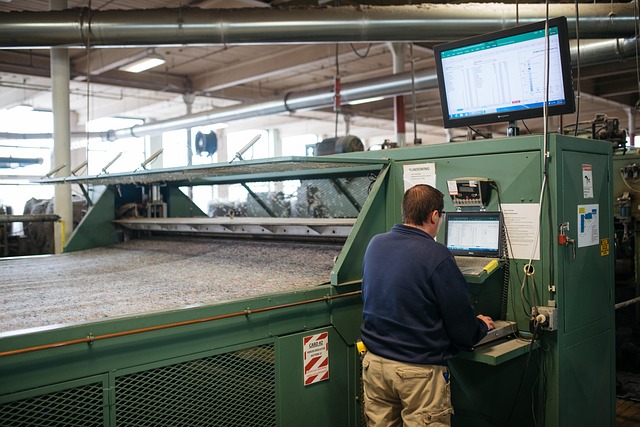
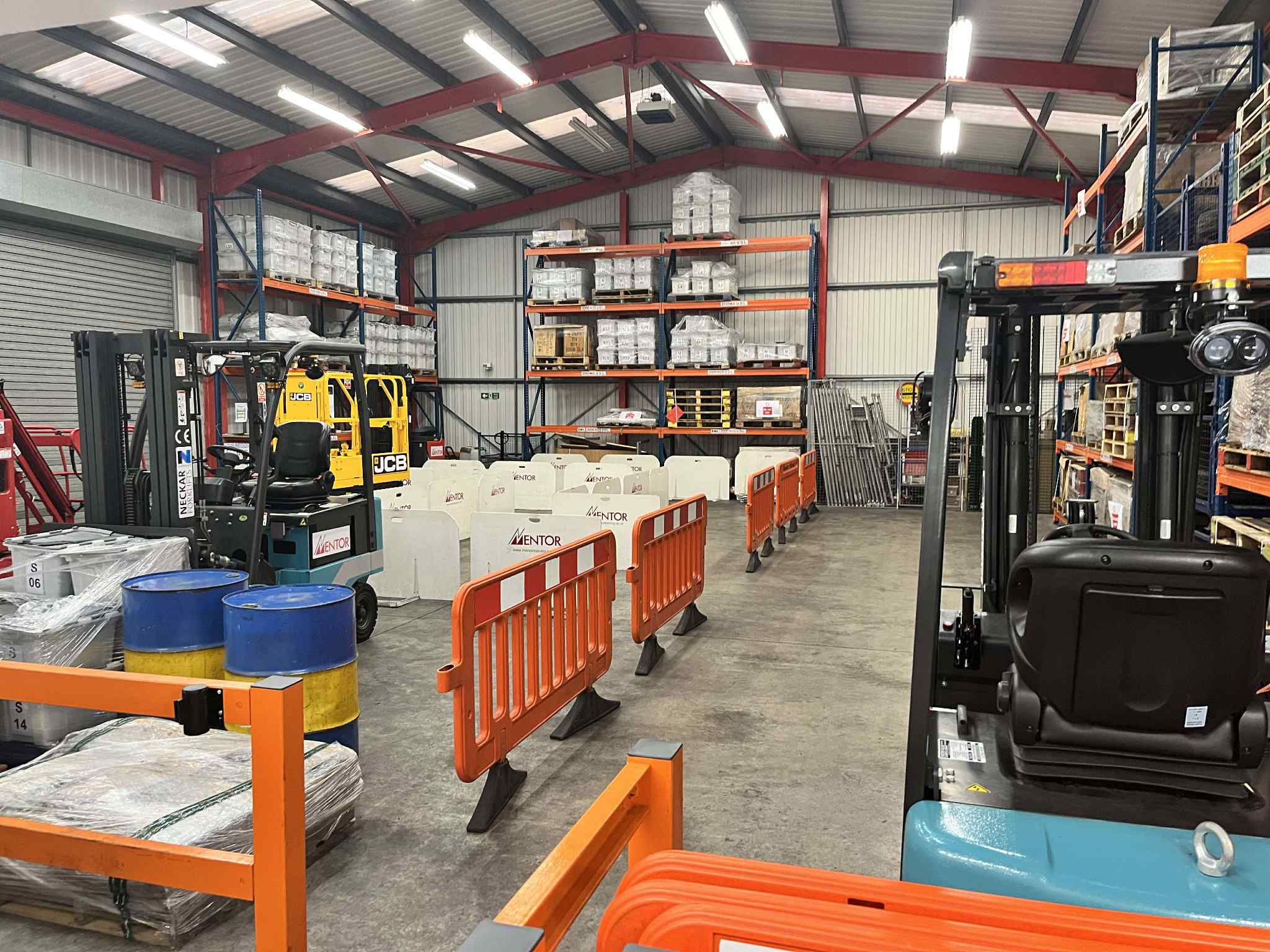
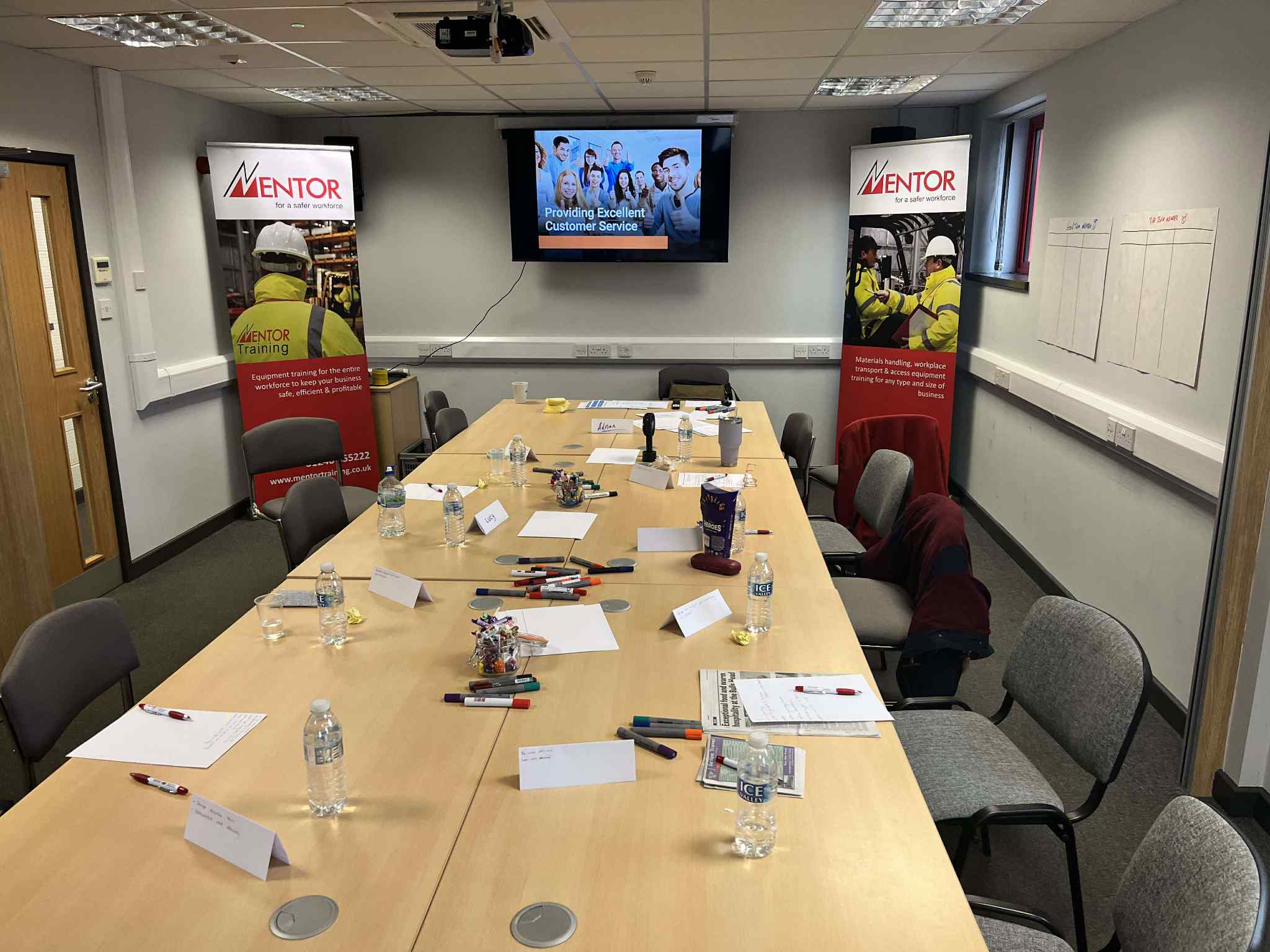
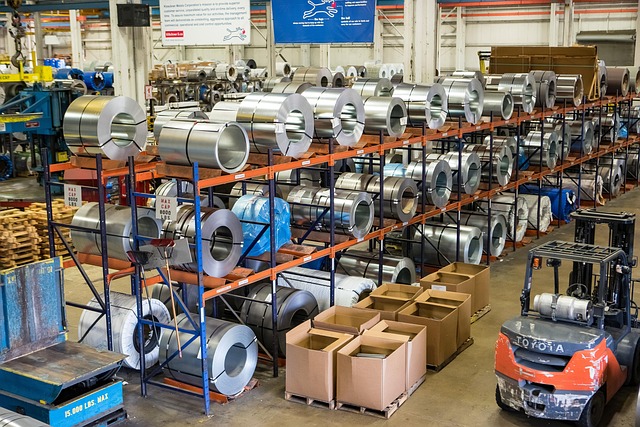
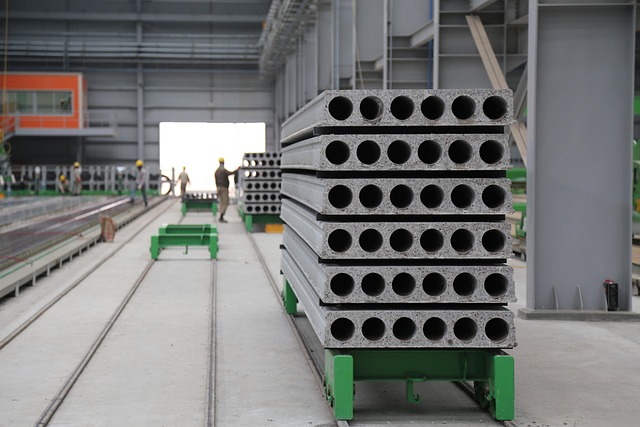
 Front-line leadership development for production supervisors and team leaders Front-line leadership development for production supervisors and team leaders Manufacturing leadership academy focused on communication and accountability Manufacturing leadership academy focused on communication and accountability |
Businesses Cannot Recruit Their Way Out of Every Skills GapFor years, many organisations have relied on recruitment to solve capability problems. If a skill was missing, they hired it. But that approach is becoming harder, slower and more expensive. Skills shortages, competition for talent and changing labour market conditions mean businesses cannot simply assume the right people will always be available. The smarter strategy is to build capability internally. That means developing the people who already understand your business, your customers, your products, your standards and your culture. Training is not just about filling today’s gaps. It is about building tomorrow’s leaders. Companies that invest in structured development create stronger succession pipelines. They retain knowledge. They improve loyalty. They show employees there is a future worth staying for. Training Is Retention StrategyPeople notice whether their employer invests in them. They notice whether development is taken seriously. They notice whether managers are supported. They notice whether progression is real or just spoken about during recruitment. When businesses invest in training, they send a clear message: “You matter here. Your growth matters here. Your future matters here.” That message can be powerful. Employees are more likely to stay where they feel developed, supported and valued. Managers are more likely to grow in confidence when the business invests in their capability. Teams are more likely to perform well when they are led by people who have been properly trained. Training is not separate from retention. Training is one of the clearest signals of commitment a business can give. |
Training Is Not a Luxury: It Is the Infrastructure of a Better Business
Productivity Starts With People
The UK productivity debate often focuses on technology, investment and process improvement.
All of those things matter.
But productivity also depends on the quality of everyday management.
Are priorities clear? Are standards understood? Are people held accountable? Are problems solved quickly? Are teams communicating properly? Are managers confident enough to challenge, coach and support?
These are leadership questions.
A business can invest in the best systems available, but if managers cannot lead people effectively, performance will still suffer.
This is why leadership and management training should not be seen as separate from productivity. It is central to it.
Better managers create better working environments. Better working environments create better performance.
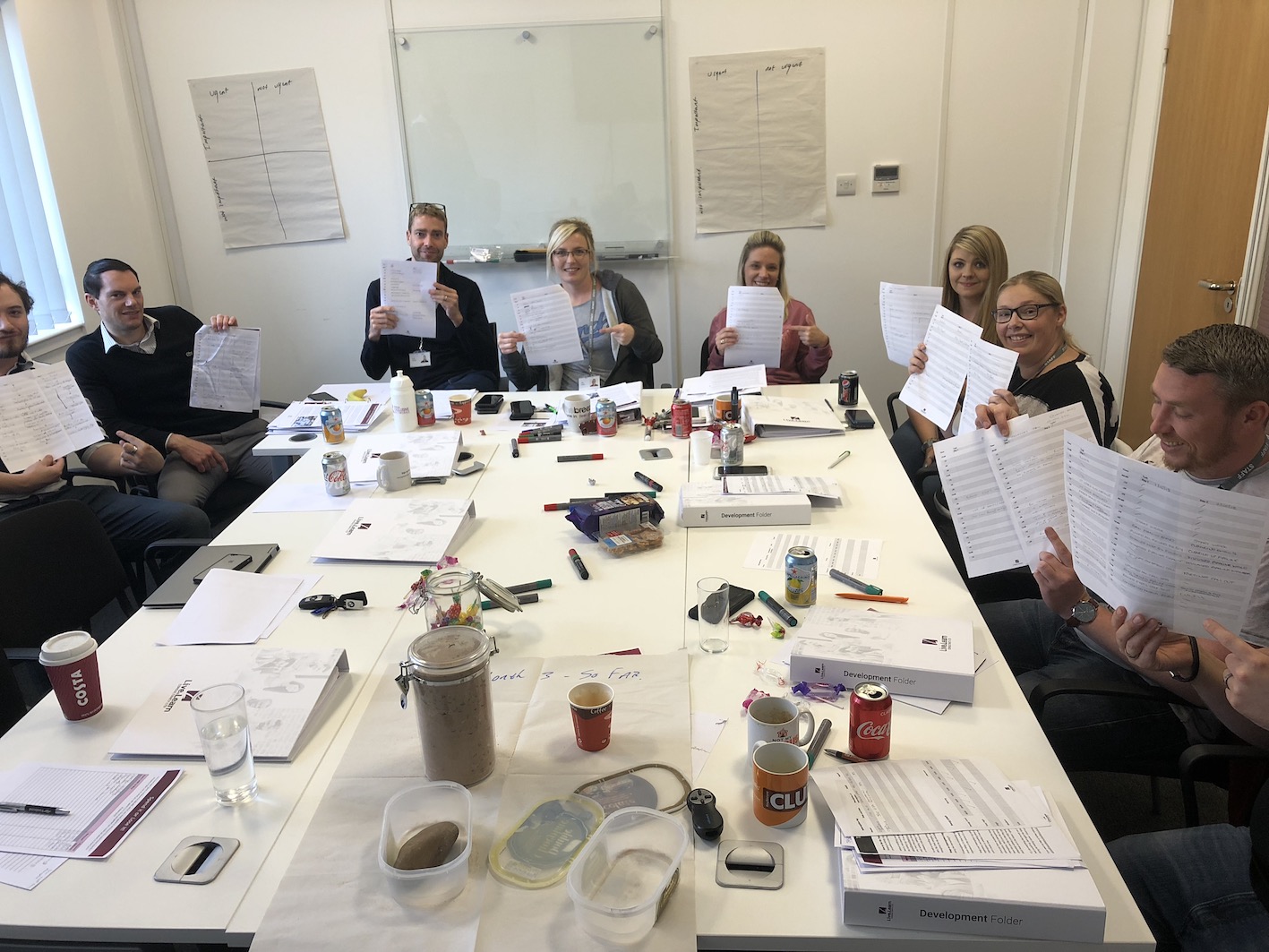 Leadership development for supervisors managing teams on the shop floor
 Online management training for manufacturing team leaders and new managers
 Practical leadership skills for supervisors in production and operations
The Companies That Keep Training Will Pull Ahead
When many businesses cut training, the companies that continue investing gain an advantage.
They build stronger managers while others allow capability to drift.
They improve communication while others tolerate confusion.
They retain and grow talent while others complain about skills shortages.
They create accountability while others rely on hope.
They develop habits while others run occasional courses.
This is the opportunity.
Training investment has fallen across the UK, but that does not mean your business has to follow the trend. In fact, the decline creates a chance to stand apart.
The businesses that treat training as infrastructure will be better prepared for pressure, change and growth.
Training Is Not a Luxury: It Is the Infrastructure of a Better Business
Why an Academy Is Different
An Academy is different because it is not built around a single training day.
It is built around development over time.
It gives learners structure, support and accountability. It allows them to practise, reflect and improve. It recognises that leadership growth is a process, not an event.
Your Leadership and Management Growth Academy and Manufacturing Leadership Academy are designed for businesses that want training to lead to real change.
They are for organisations that want managers to become more confident, more consistent and more capable.
They are for teams that need better communication, stronger leadership and clearer accountability.
They are for businesses that understand that people development is not a cost to minimise, but an investment to protect.
The Real Question
The question is not: “Can we afford to train our people?”
The better question is:
Can we afford the consequences of not training them?
Can we afford managers who lack confidence?
Can we afford supervisors who avoid difficult conversations?
Can we afford unclear communication, inconsistent standards and preventable performance issues?
Can we afford to keep promoting people without preparing them properly?
Can we afford to treat training as a luxury while expecting excellence?
For businesses that want to grow, improve and compete, training is not optional.
It is infrastructure.
And the stronger the infrastructure, the stronger the business built on top of it.
Get in Touch Now - Training Is Not a Luxury
If you want training that creates lasting change rather than short-term inspiration, a longer Academy approach is the smarter investment.
The Leadership and Management Growth Academy and Manufacturing Leadership Academy are built to support learners over time, hold them accountable and help them develop the habits that improve teams, performance and business results.
Because better businesses are not built by accident.
They are built by better-trained people.
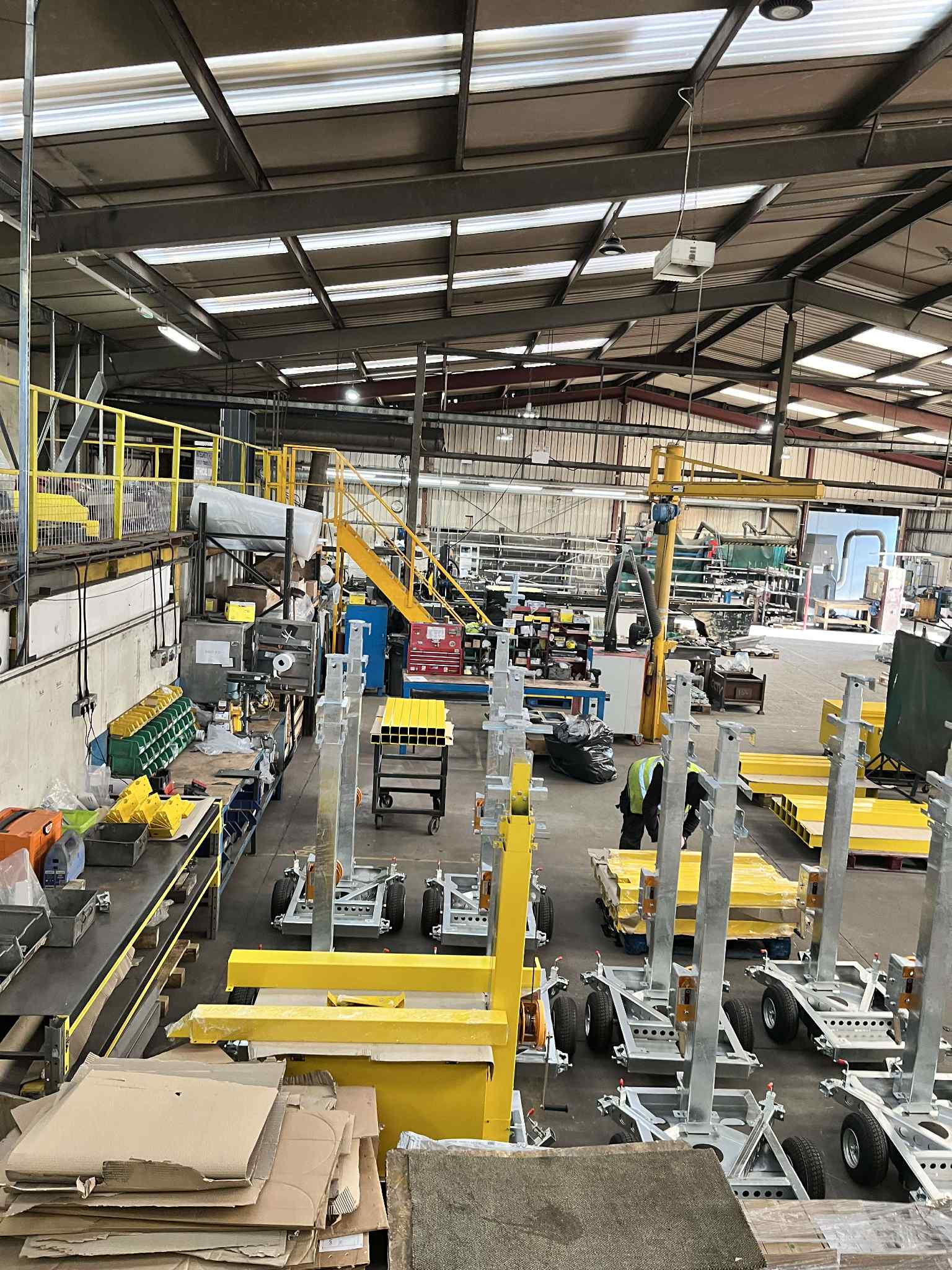 Manufacturing training programme helping managers lead with clarity and confidence
Contact One of the Team Here to Discuss Your Training Needs
Training Is Not a Luxury: It Is the Infrastructure of a Better Business
Companies That Have Received Leadership and Management training From Us - Both On and Off-line
 Manufactures Machines
 Civil Engineers
 Sheffield Engineering
 Carbon Technology


 Heating Solutions
 Engineers and Sustainability Consultants



 Chutney and Relish

 Food Producers




Training Is Not a Luxury: It Is the Infrastructure of a Better Business
See our latest articles and more:
Which online leadership training works for manufacturing supervisors?
How do I train production team leaders without taking them off the floor for days?
What leadership skills do first-time managers in manufacturing need?
What is the best way to develop shift leaders in a factory?
Can leadership training be delivered online for manufacturing teams?
Why Promoting Technically Skilled People Without Leadership Training Creates Problems
The Leadership Skills Every Manufacturing Supervisor Needs to Succeed
How Online Leadership Training Can Support Busy Manufacturing Teams
From Shop Floor Expert to Confident Leader: What New Managers Need to Learn
Why Front-Line Leadership Development Is Critical for Manufacturing Performance
Click here for more information about Adrian Close, Director of Learning at Ultimate Leadership Training
 Adrian Close’s Starting Strong book used in leadership training for manufacturing managers
Thank you for visiting our Training Is Not a Luxury page, here is a link to our Homepage
Training Is Not a Luxury, UK employers are cutting training investment, but businesses still expect better productivity, stronger managers and improved retention. Discover why long-term leadership and management academies are a smarter investment than one-day courses.
Training Is Not a Luxury: It Is the Infrastructure of a Better Business