What leadership skills do manufacturing supervisors need to succeed
What leadership skills do manufacturing supervisors need to succeed - The Leadership Skills Every Manufacturing Supervisor Needs to Succeed
Manufacturing supervisors sit in one of the most important positions in any manufacturing business.
They are close enough to the shop floor to understand the real problems, but senior enough to influence standards, behaviours, communication and performance. They are often the people who turn plans into action, expectations into results and strategy into daily habits.
Yet in many businesses, supervisors are promoted because they are technically strong, reliable and experienced - not because they have been trained to lead people.
That is where the problem begins.
A supervisor may understand the machinery, the process, the product, the quality standards and the production targets. They may know exactly how the job should be done. But once they step into leadership, technical knowledge is no longer enough.
They now need to communicate clearly.
They need to motivate others.
They need to manage performance.
They need to deal with conflict.
They need to hold people accountable.
They need to stay calm under pressure.
They need to build trust.
They need to lead people who may once have been their peers.
The best manufacturing supervisors are not simply good at the job. They are good at helping other people do the job well.
That is a very different skillset.
Manufacturing Leadership Scorecard
Answer each question to receive your leadership score.
What leadership skills do manufacturing supervisors need to succeed
Why Manufacturing Supervisors Matter So Much
In manufacturing, leadership is not an abstract idea. It shows up every day in the way people work, communicate, solve problems and respond to pressure.
A strong supervisor can improve team morale, reduce confusion, raise standards and deal with issues before they become bigger problems.
A poorly prepared supervisor can unintentionally create inconsistency, frustration and avoidable pressure.
This does not usually happen because they are careless or incapable. In many cases, the supervisor is trying hard. They want to do well. They care about the team and the business. But they have never been taught how to lead.
They are expected to manage people, but have never been shown how to have a difficult conversation.
They are expected to improve communication, but have never been trained in how to brief, listen, question or check understanding.
They are expected to build accountability, but have never been given a structure for setting expectations and following through.
When supervisors are not trained, the business often pays for it through confusion, inconsistency, rework, low morale and senior managers being pulled into problems that should have been handled earlier.
This is why manufacturing supervisor leadership training should not be treated as a luxury. It should be seen as part of building a stronger, more consistent and more resilient operation.
Communication: The Skill That Holds Everything Together
Communication is one of the most important leadership skills for any manufacturing supervisor.
In a busy production environment, unclear communication can quickly lead to mistakes, delays, frustration and poor handovers.
Supervisors need to be able to explain what needs to happen, why it matters, what standard is expected and who is responsible. They also need to make sure the message has been understood.
That last part is often missed.
Many supervisors believe they have communicated because they have spoken. But communication is not complete just because words have been said. Communication is complete when the other person understands what is expected and can act on it.
Good supervisors learn to ask better questions.
“Can you talk me through what you are going to do next?”
“What might get in the way of completing this?”
“What support do you need?”
“What does good look like on this task?”
“What needs to be handed over to the next shift?”
These questions create clarity.
They also help supervisors move away from simply giving instructions and towards leading with understanding.
In manufacturing, communication is not just a soft skill. It is a performance skill.
When communication improves, handovers improve. Expectations become clearer. Mistakes are reduced. People feel more informed. Problems surface earlier.
That is why communication must be a core part of any leadership development programme for supervisors and team leaders.
What leadership skills do manufacturing supervisors need to succeed
Accountability: Holding Standards Without Creating Fear
Accountability is another essential skill.
Many new supervisors struggle with this because they do not want to be seen as harsh, difficult or unfair. This is especially true when they have been promoted from within the team and are now managing former colleagues.
So they let small issues slide.
Someone is late, but nothing is said.
A standard is missed, but it is ignored.
A poor attitude appears, but it is tolerated.
A task is not completed properly, but the supervisor fixes it themselves.
At first, this can feel like the easier option. But over time, the consequences grow.
Standards slip. Resentment builds among those who are doing things properly. The supervisor loses credibility. Senior managers become frustrated. The team receives the message that expectations are flexible.
Accountability is not about blame. It is about clarity and follow-through.
A good supervisor learns how to say:
“This is the standard.”
“This is why it matters.”
“This is what needs to change.”
“This is the support available.”
“This is when we will review it.”
That kind of accountability is firm but fair.
Supervisors do not need to become aggressive to hold people accountable. They need the confidence and structure to deal with issues early, calmly and consistently.
That confidence rarely appears by accident. It is developed through training, practice and support.
Resilience: Staying Steady Under Pressure
Manufacturing supervisors often work under significant pressure.
Targets need to be met.
Quality must be maintained.
People issues need attention.
Problems appear unexpectedly.
Shifts need to be covered.
Senior managers want updates.
The team wants answers.
A supervisor who cannot stay steady under pressure can quickly become reactive.
They may snap at people.
They may avoid decisions.
They may become overwhelmed.
They may focus only on the urgent and ignore the important.
They may pass pressure down to the team instead of managing it constructively.
Resilience does not mean pretending everything is fine. It does not mean working longer hours, absorbing endless pressure or ignoring stress.
Real resilience is the ability to pause, think clearly, prioritise well and respond in a way that helps the team move forward.
Supervisors need tools to manage themselves as well as others.
They need to understand how pressure affects their communication.
They need to recognise when they are becoming reactive.
They need to know how to prioritise when everything feels urgent.
They need to learn how to ask for support early.
They need to develop the confidence to lead calmly, even when the environment is demanding.
A resilient supervisor gives the team confidence. A reactive supervisor gives the team anxiety.
This is why resilience should be included in leadership training, not left to chance.
What leadership skills do manufacturing supervisors need to succeed
People Leadership: Moving Beyond Task Management
One of the biggest shifts for manufacturing supervisors is moving from task management to people leadership.
Task management is about getting the work done.
People leadership is about helping people perform, grow, communicate and take ownership of the work.
Many supervisors are comfortable with tasks. Tasks are visible. They can be measured. They have clear steps.
People are more complex.
People have different motivations, frustrations, confidence levels, communication styles and personal pressures. What works with one person may not work with another.
A strong supervisor learns to understand the people in the team, not just the process they follow.
They notice who needs encouragement.
They recognise who needs clearer boundaries.
They understand who needs more coaching.
They identify who is ready for more responsibility.
They spot tension before it becomes conflict.
The best supervisors do not just manage production. They develop people who can deliver production more consistently.
That is a powerful difference.
People leadership also helps with retention. Employees are more likely to stay where they feel respected, supported and fairly managed. They are more likely to take pride in their work when expectations are clear and feedback is constructive.
Manufacturing businesses often focus heavily on systems, processes and equipment. These matter. But people still make the system work.
If supervisors are not trained to lead people, the business is leaving a major performance lever underdeveloped.
Latest Articles





Delegation: Building Capability Instead of Dependency
Many supervisors struggle to delegate because they were promoted for being good at doing the work.
They know they can do the task quickly. They know they can do it properly. They may feel it is easier to step in and fix things themselves.
But when supervisors do too much themselves, they create dependency.
The team waits for them.
Problems get escalated too quickly.
People stop thinking for themselves.
The supervisor becomes overloaded.
Development slows down.
Effective delegation is not simply handing work over. It is a leadership skill.
A supervisor needs to explain the task, the expected outcome, the level of authority, the deadline and the support available. They need to check understanding without micromanaging. They need to allow people to learn without abandoning them.
Delegation is not about getting work off the supervisor’s plate. It is about building a stronger, more capable team.
When supervisors learn to delegate well, they free up time to lead. They also help team members grow in confidence and competence.
This is especially important in manufacturing environments where future team leaders and supervisors need to be developed from within.
Confidence: The Foundation of Effective Supervision
Confidence affects almost every part of leadership.
A supervisor who lacks confidence may avoid difficult conversations, delay decisions, over-explain, become defensive or try too hard to be liked.
A confident supervisor is more likely to communicate clearly, set expectations, follow through and ask for help when needed.
But confidence should not be confused with arrogance.
Real leadership confidence is quiet, steady and practical. It comes from knowing what good leadership looks like and having tools to deal with real situations.
This is where structured training makes a difference.
When supervisors are given practical methods for communication, delegation, feedback, performance conversations and accountability, they start to feel more prepared.
Prepared people act with more confidence.
Confidence grows when supervisors stop guessing how to lead and start learning how to lead.
That is one of the strongest reasons to invest in a structured leadership development platform.
What leadership skills do manufacturing supervisors need to succeed
Why Online Training Works for Manufacturing Supervisors
One challenge for manufacturing businesses is time.
Taking supervisors away from the operation for long periods can be difficult. Production demands are real. Shift patterns can be complicated. Pulling several people into a classroom at once is not always practical or cost-effective.
This is where online leadership training becomes particularly valuable.
A well-designed online academy allows supervisors, team leaders and new managers to develop over time, without the disruption of repeated full-day training sessions.
They can learn in manageable sections.
They can revisit modules when needed.
They can apply ideas between sessions.
They can build confidence gradually.
They can access consistent training regardless of shift, site or location.
For many manufacturing businesses, the most cost-effective training is not the cheapest option. It is the option that creates practical improvement without unnecessary disruption to production.
That is why an online leadership academy can be so powerful.
It gives businesses a structured way to develop supervisors and managers while keeping learning practical, flexible and relevant.
 Practical leadership training for newly promoted manufacturing supervisors
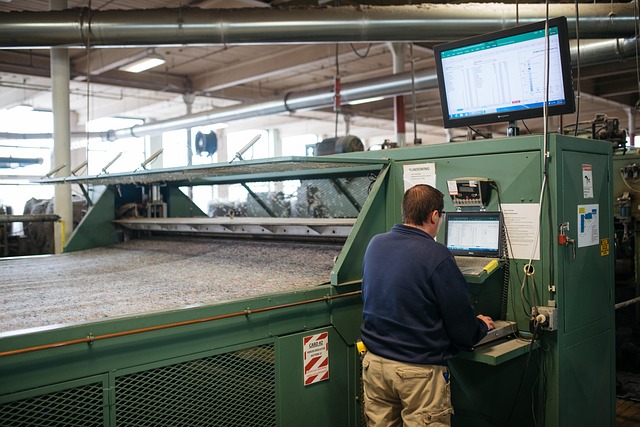
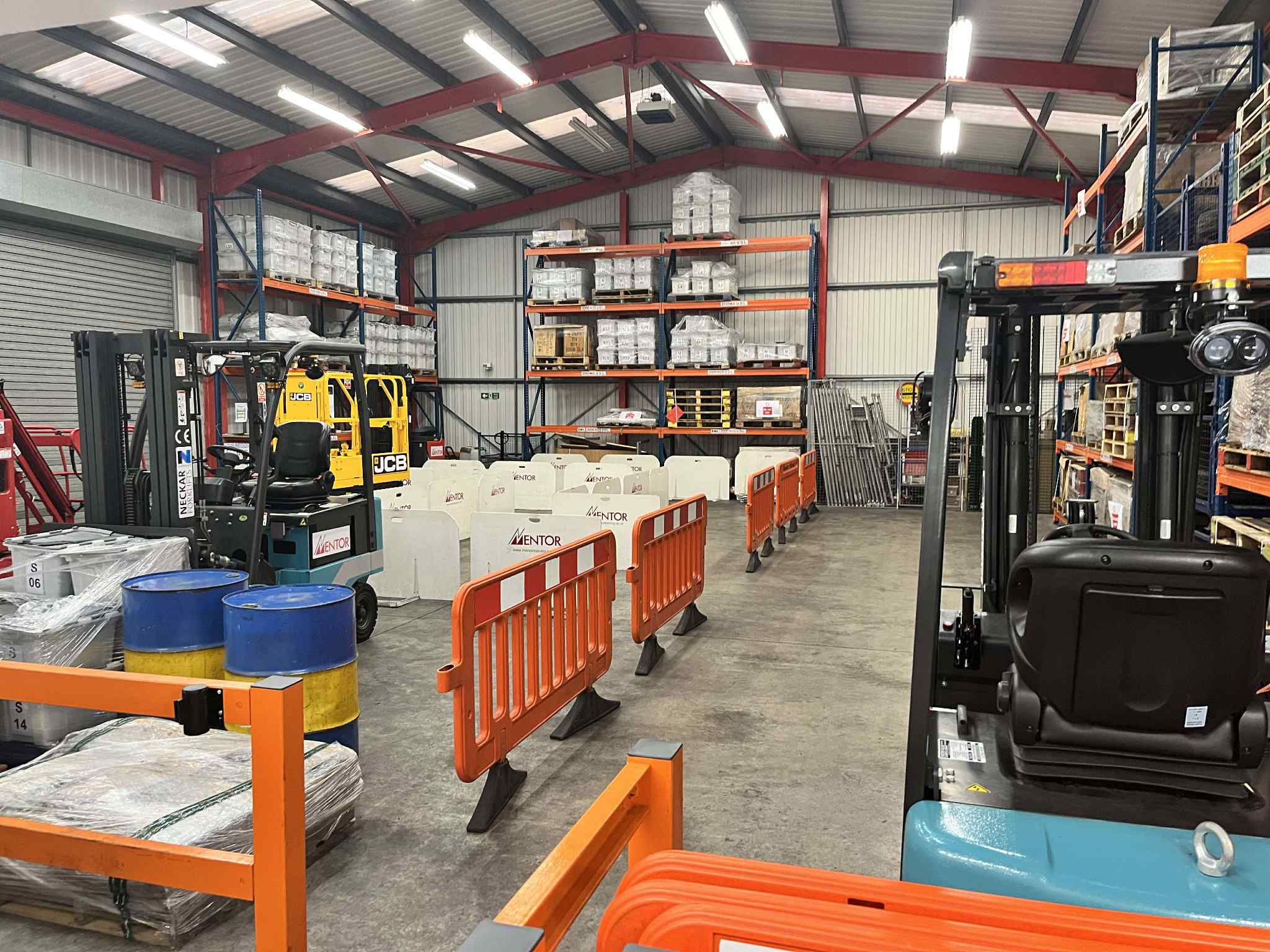
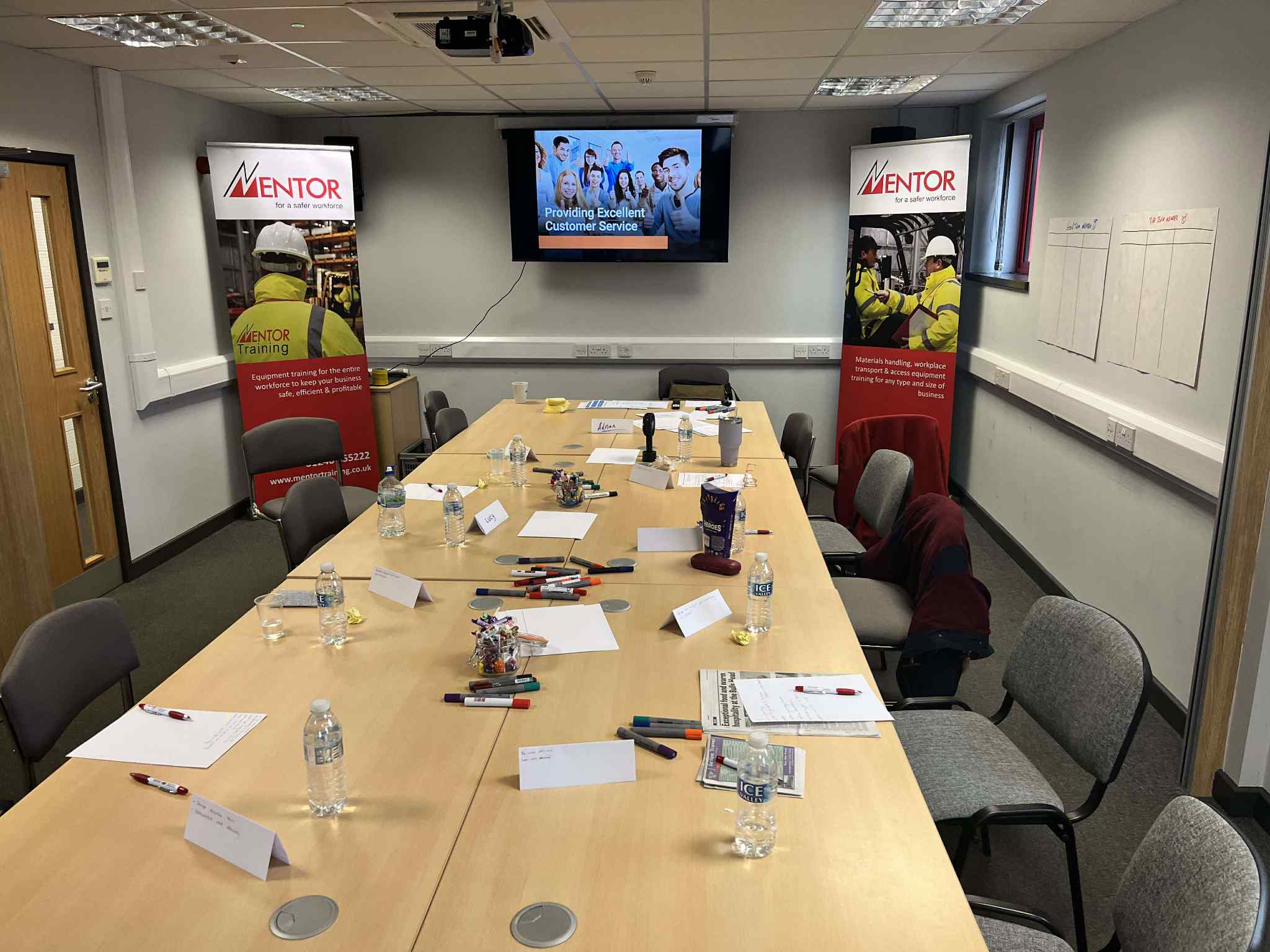
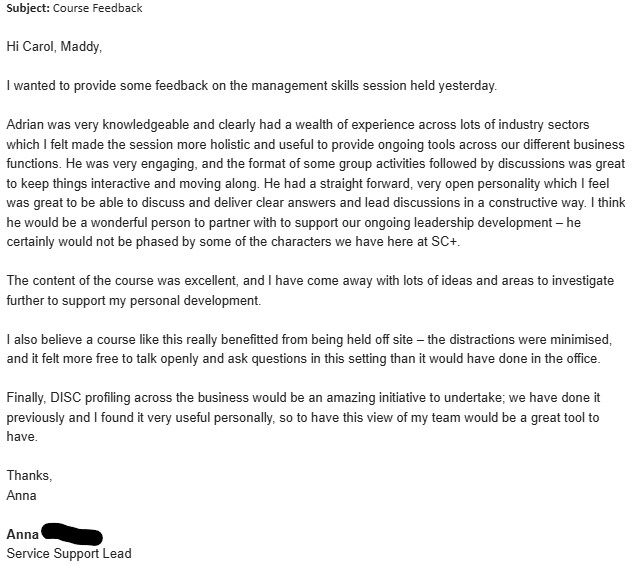
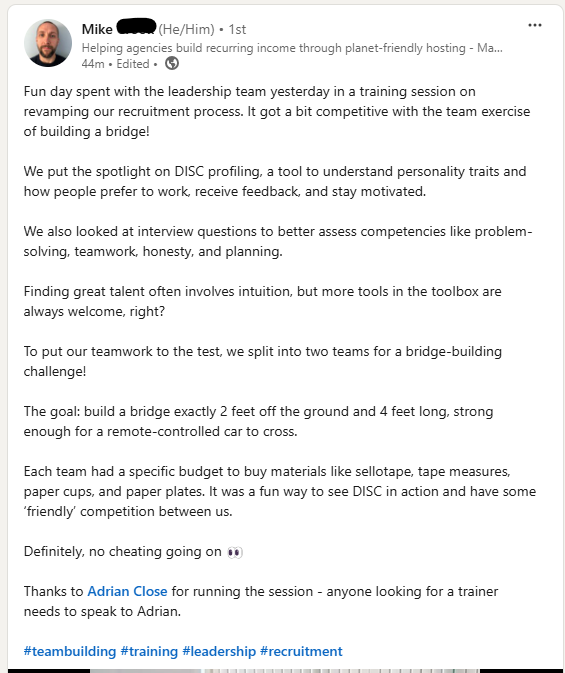 Front-line leadership development for production supervisors and team leaders Front-line leadership development for production supervisors and team leaders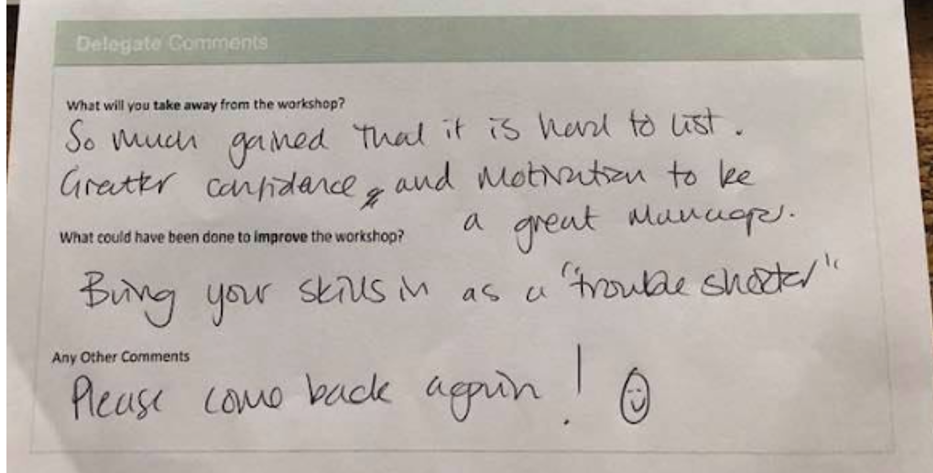 Manufacturing leadership academy focused on communication and accountability Manufacturing leadership academy focused on communication and accountability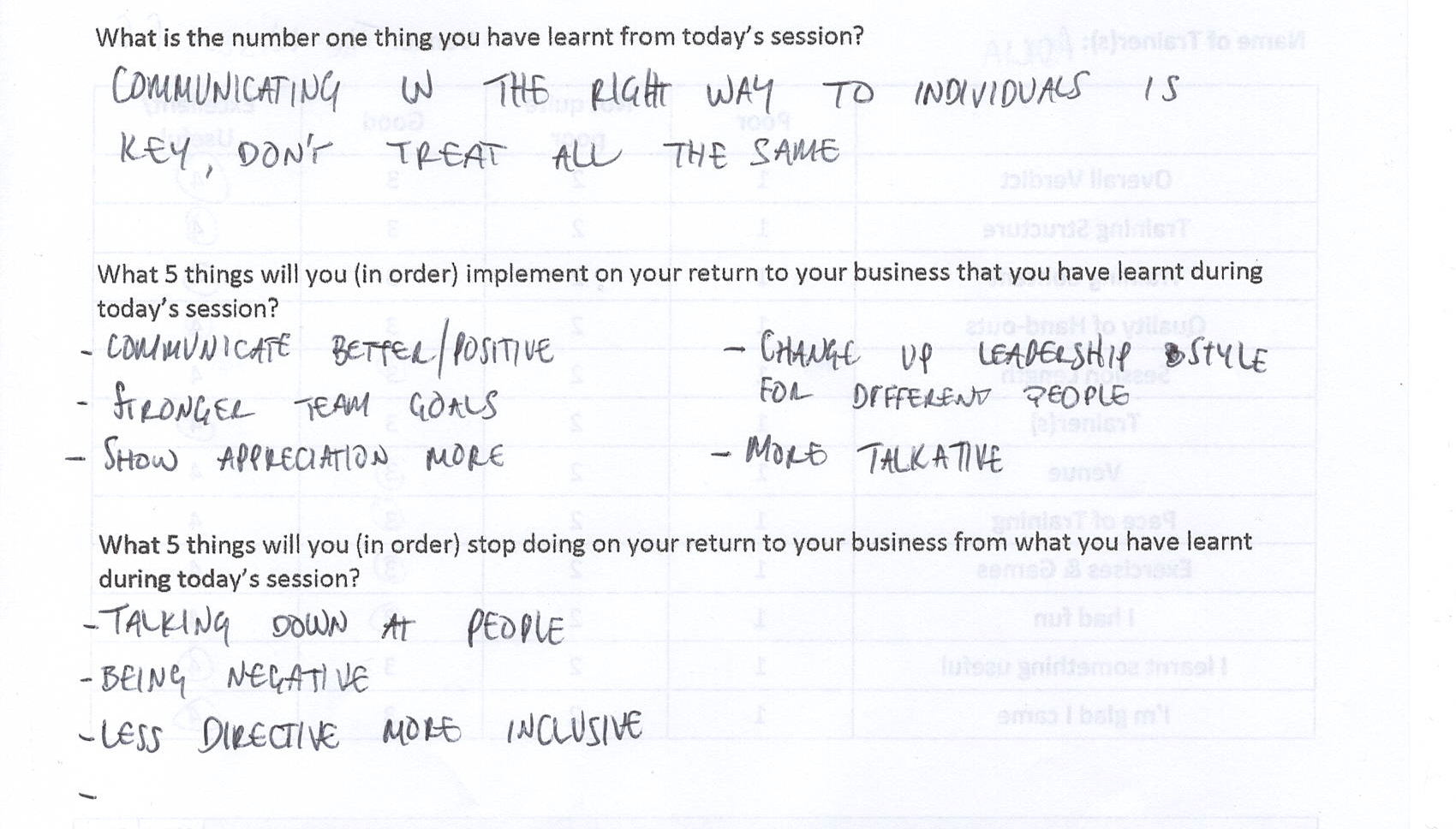 Positive feedback from Geoff a manufacturing supervisor who went on to communicate more effectively Positive feedback from Geoff a manufacturing supervisor who went on to communicate more effectively |
Why the Online Leadership Academy for Manufacturing Is a Strong FitThe leadership skills supervisors need are not mysterious. They need communication, resilience, accountability, delegation, confidence and people leadership. The real question is how to develop those skills consistently across the business. One-off training can help, but it is often not enough on its own. People leave a course motivated, but then return to the pressure of the workplace. Without reinforcement, support and structure, old habits can return. The Online Leadership Academy for Manufacturing is designed to close that gap. It provides practical leadership development for supervisors, team leaders, new managers, aspiring managers and managers who have never received formal leadership training. It is built around the real challenges manufacturing leaders face, including communication, delegation, accountability, motivation, confidence, performance conversations and leading people in busy operational environments. Instead of taking people away from the business for long periods, the Academy gives them structured development they can apply directly in their role. That makes it a strong option for businesses that want to build leadership capability without creating unnecessary operational disruption. It also supports consistency. When supervisors and managers go through the same development pathway, they begin to share the same language, expectations and leadership approach. This can help reduce inconsistency between teams, shifts and departments. The Cost of Not Developing SupervisorsIt is easy to see training as a cost. But the bigger cost is often the cost of not training. What does poor communication cost? These costs are not always shown clearly on a spreadsheet, but they are felt every day. They show up in time wasted, problems repeated, standards missed, morale lowered and opportunities lost. When supervisors are not developed, businesses often pay for the same problems again and again. Leadership training is not just about helping supervisors feel more confident. It is about helping the business operate with more clarity, consistency and control. |
What leadership skills do manufacturing supervisors need to succeed
What Businesses Should Ask Themselves
If you are responsible for developing people in a manufacturing business, ask yourself:
Are our supervisors confident communicators?
Do they deal with performance issues early?
Do they hold people accountable consistently?
Can they lead former peers effectively?
Do they delegate well?
Are they resilient under pressure?
Do they know how to motivate and support different people?
Are leadership standards consistent across shifts and departments?
Have our managers actually been taught how to lead, or have we expected them to work it out?
These questions matter.
Because if the answer to several of them is uncertain, then the business may already have a leadership gap.
And that gap will not close by itself.
 Leadership development for supervisors managing teams on the shop floor
 Online management training for manufacturing team leaders and new managers
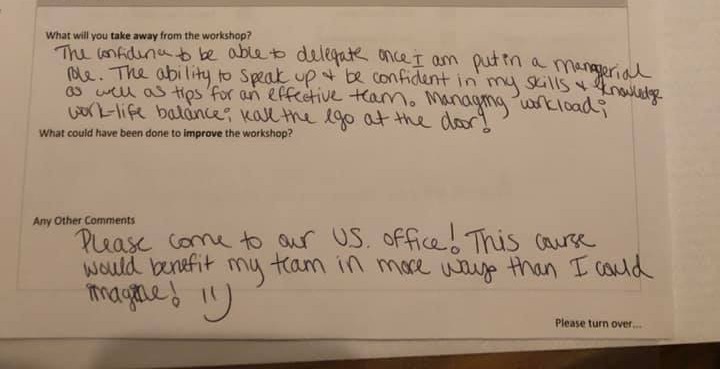 Practical leadership skills for supervisors in production and operations
Conclusion: Supervisors Need More Than Experience
Experience matters. Technical skill matters. Product knowledge matters. Process understanding matters.
But none of these automatically create effective leadership.
Manufacturing supervisors need specific leadership skills to succeed. They need to communicate clearly, stay resilient, hold people accountable and lead people with confidence and consistency.
They need to move from being the person who knows the job to being the person who helps others do the job well.
That transition is too important to leave to chance.
If your supervisors, team leaders or new managers are technically capable but have never received structured leadership training, now is the time to invest in their development.
The Online Leadership Academy for Manufacturing offers a practical, flexible and cost-effective way to build the leadership skills your people need, without unnecessary disruption to the operation.
Because strong supervisors do not just improve teams.
They improve the business.
Contact One of the Team - What leadership skills do manufacturing supervisors need to succeed
If your business promotes technically skilled people into supervisory or management roles, don’t leave their leadership development to chance.
The Online Leadership Academy for Manufacturing is designed to help supervisors, team leaders, new managers and managers without formal training build the confidence, communication skills and practical leadership tools they need to succeed.
If you want your managers to lead with more clarity, consistency and confidence, let’s have a conversation.
Contact Adrian Close today to discuss how the Online Leadership Academy for Manufacturing can support your business.
Contact One of the Team Here to Discuss Your Training Needs
What leadership skills do manufacturing supervisors need to succeed
Companies That Have Received Leadership and Management training From Us - Both On and Off-line
 Manufactures Machines
 Civil Engineers
 Sheffield Engineering
 Carbon Technology


 Heating Solutions
 Engineers and Sustainability Consultants



 Chutney and Relish

 Food Producers




What leadership skills do manufacturing supervisors need to succeed
See our latest articles and more:
Which online leadership training works for manufacturing supervisors?
How do I train production team leaders without taking them off the floor for days?
What leadership skills do first-time managers in manufacturing need?
What is the best way to develop shift leaders in a factory?
Can leadership training be delivered online for manufacturing teams?
Why Promoting Technically Skilled People Without Leadership Training Creates Problems
The Leadership Skills Every Manufacturing Supervisor Needs to Succeed
How Online Leadership Training Can Support Busy Manufacturing Teams
From Shop Floor Expert to Confident Leader: What New Managers Need to Learn
Why Front-Line Leadership Development Is Critical for Manufacturing Performance
Click here for more information about Adrian Close, Director of Learning at Ultimate Leadership Training
 Adrian Close’s Starting Strong book used in leadership training for manufacturing managers
Thank you for visiting our What leadership skills do manufacturing supervisors need to succeed page, here is a link to our Homepage
What leadership skills do manufacturing supervisors need to succeed. Discover the key leadership skills manufacturing supervisors need to succeed, including communication, accountability, resilience, delegation and people leadership. Learn how the Online Leadership Academy for Manufacturing helps supervisors and team leaders develop these skills in a practical, flexible and cost-effective way
What leadership skills do manufacturing supervisors need to succeed