How do I train new managers in manufacturing
New Manager Training for Manufacturing | From Shop Floor Expert to Confident Leader
How do I train new managers in manufacturing - From Shop Floor Expert to Confident Leader: What New Managers Need to Learn
New manager training for manufacturing is essential when technically skilled people are promoted into leadership roles but have not yet been taught how to communicate, delegate, manage performance and lead with confidence.
Many new managers are promoted for a very good reason.
They are excellent at the job.
- They know the process
- They understand the standards
- They can solve problems quickly
- They are reliable, experienced and respected
- They are often the person others turn to when something needs fixing
In manufacturing, this is common. A skilled operator, technician, supervisor or shop floor expert stands out because they know how things work. They understand the pressure of production, the importance of quality, and the reality of getting work done when time, people and resources are stretched.
So when a team leader, supervisor or management role becomes available, they seem like the obvious choice.
But this is where many businesses make a mistake.
They assume that being excellent at the job means someone will automatically know how to lead other people doing the job.
That assumption can be costly.
Because moving from shop floor expert to confident leader is not just a promotion. It is a complete shift in responsibility, identity and skill.
The new manager is no longer measured only by what they can do themselves. They are now measured by what they can help others achieve.
That is a very different challenge.
Manufacturing Leadership Scorecard
Answer each question to receive your leadership score.
How do I train new managers in manufacturing
New Manager Training for Manufacturing | From Shop Floor Expert to Confident Leader
Technical Skill Gets People Promoted. Leadership Skill Helps Them Succeed
Technical ability matters. It should never be dismissed.
In manufacturing, credibility often comes from understanding the work. People respect leaders who know the process, appreciate the pressure and understand what good looks like.
But technical skill is only part of the picture.
The qualities that make someone a strong individual contributor are not always the same qualities that make them an effective leader.
A technical expert may be brilliant at solving problems, but leadership requires them to help others solve problems too.
They may be excellent at completing tasks, but leadership requires them to delegate tasks effectively.
They may know the standards, but leadership requires them to communicate those standards clearly and hold people accountable to them.
They may be respected as a colleague, but leadership requires them to earn respect in a new way - through fairness, consistency, clarity and confidence.
That transition does not happen automatically.
It needs support.
How do I train new managers in manufacturing
New Manager Training for Manufacturing | From Shop Floor Expert to Confident Leader
The First Challenge: Letting Go of Being the Expert
One of the hardest things for a new manager to learn is that their value no longer comes from being the person who does everything best.
For years, they may have built their reputation on being capable, fast and dependable. When there was a problem, they stepped in. When someone was unsure, they had the answer. When standards slipped, they fixed it.
That identity can be difficult to leave behind.
So when they become a manager, they often continue behaving like the expert.
- They step in too quickly.
- They take tasks back when others struggle.
- They solve problems that others should be learning to solve.
- They stay too close to the detail.
- They become the person everyone still depends on.
At first, this may look helpful.
But over time, it creates problems.
The manager becomes overloaded. The team becomes dependent. People stop thinking for themselves. Development slows down. The business gains a manager in title, but not yet in behaviour.
A confident leader learns that their role is not to have every answer.
Their role is to build a team that can think, act and improve with more ownership.
That requires a new mindset.
How do I train new managers in manufacturing
New Manager Training for Manufacturing | From Shop Floor Expert to Confident Leader
Delegation Is Not Dumping Work. It Is Developing People.
Delegation is one of the most important skills new managers need to learn.
It is also one of the most misunderstood.
Some new managers avoid delegation because they think it will take longer to explain the task than to do it themselves. Others worry the work will not be done to the right standard. Some feel guilty giving work to others. Some simply do not know how to delegate clearly.
But delegation is not about getting rid of work.
It is about building capability.
Good delegation helps people grow. It creates ownership. It gives team members the chance to learn, contribute and take responsibility.
Poor delegation creates confusion.
A new manager may say, “Can you sort that out?” but fail to explain what “sorted” means. They may hand over a task without explaining the deadline, the standard, the level of authority or when to check back in.
Then, when the task is not done as expected, frustration builds on both sides.
Effective delegation requires clarity.
- What needs to be done?
- Why does it matter?
- What does good look like?
- When does it need to be completed?
- How much authority does the person have?
- What support is available?
- When will progress be reviewed?
These questions may sound simple, but many managers have never been taught to ask them.
That is why structured leadership training matters.
It gives new managers practical tools they can use immediately, rather than leaving them to learn through trial and error.
Communication Becomes a Performance Tool
When someone moves into management, communication changes.
It is no longer enough to simply pass on information. The new manager must create clarity.
They need to make sure people understand priorities, expectations, standards and consequences. They need to listen properly. They need to ask better questions. They need to adapt how they communicate with different people.
In manufacturing, communication is not a soft extra. It directly affects performance.
Poor communication can lead to missed handovers, repeated mistakes, unclear priorities, inconsistent standards and avoidable frustration.
A new manager may think they have communicated because they have said something once.
But communication has not really happened until the other person understands what is expected and can act on it.
This is a major learning point for new managers.
- They need to move from telling to checking.
- From assuming to clarifying.
- From reacting to listening.
- From vague instructions to clear expectations.
Good communication reduces noise. It helps people focus. It prevents small misunderstandings becoming bigger operational problems.
A confident leader understands that communication is not just what they say.
It is what people understand, remember and do as a result.
How do I train new managers in manufacturing
New Manager Training for Manufacturing | From Shop Floor Expert to Confident Leader
Confidence Does Not Come From the Job Title
Many new managers expect to feel more confident once they have the title.
Often, the opposite happens.
The title brings pressure.
Suddenly, they are expected to have answers, make decisions, manage people and represent the standards of the business. They may be leading former peers. They may be dealing with difficult conversations for the first time. They may feel caught between senior management and the team.
They may look confident on the outside while quietly wondering whether they are getting it right.
This matters because a lack of confidence affects behaviour.
- A manager who lacks confidence may avoid difficult conversations.
- They may over-explain decisions.
- They may become defensive.
- They may try too hard to be liked.
- They may delay action because they are unsure what to say.
- They may keep doing tasks themselves because that feels safer than leading others.
Confidence grows when managers know what good leadership looks like and have practical tools to use.
It grows through preparation, practice and support.
New managers do not need to pretend they have everything figured out. They need a development pathway that helps them build confidence step by step.
Managing Former Peers Is a Real Leadership Test
One of the most difficult transitions for a new manager is leading people they used to work alongside.
Yesterday, they were part of the group.
Today, they are responsible for the group.
That shift can feel uncomfortable.
The new manager may worry about damaging friendships. They may avoid challenging people because they do not want to seem different. They may find it hard to set boundaries.
At the same time, former peers may test the relationship.
- Some may expect special treatment.
- Some may resist being managed.
- Some may say, “You’ve changed.”
- Some may keep treating the new manager as if nothing is different.
This is why new managers need to understand that leadership changes relationships.
That does not mean they need to become cold, distant or authoritarian. But they do need to become clearer.
- They need to be fair.
- They need to be consistent.
- They need to set expectations.
- They need to communicate the change in role.
- They need to stop trying to be liked by everyone and start earning trust through their behaviour.
Respect is not built by avoiding difficult moments.
It is built by handling them well.
How do I train new managers in manufacturing
New Manager Training for Manufacturing | From Shop Floor Expert to Confident Leader
Performance Leadership Requires Courage and Structure
Performance management is one of the areas where new managers often struggle most.
They may notice an issue but delay addressing it. They may hope it improves. They may mention it casually but fail to follow up. They may talk to everyone except the person involved.
This usually happens because they are unsure how to approach the conversation.
They do not want conflict.
They do not want to upset someone.
They do not want to be seen as harsh.
They are not confident about what to say.
But avoiding performance conversations does not protect the team.
It often damages the team.
When poor performance is not addressed, other people notice. Standards become negotiable. Frustration builds. The manager loses credibility. The issue becomes harder to deal with later.
Performance leadership is not about being aggressive.
It is about being clear, fair and timely.
A new manager needs to learn how to describe the issue, explain the impact, restate the standard, agree action and follow up.
They need language and structure.
They need to understand that a difficult conversation handled early is usually easier than a bigger conversation handled too late.
The Business Also Has a Responsibility
It is easy to blame new managers when they struggle.
But businesses need to ask an honest question:
Did we prepare them properly?
If someone has been promoted because they are technically strong, but has never been trained to delegate, communicate, manage performance or lead former peers, is it fair to expect them to succeed without support?
Promotion should not be treated as proof that someone already knows how to lead.
Promotion should be the start of a development journey.
Businesses that understand this create stronger managers. They support people before problems build. They reduce avoidable mistakes. They improve consistency. They help technically capable people become confident leaders.
Businesses that ignore this leave too much to chance.
They hope new managers will work it out. Some do. Many struggle. Some lose confidence. Some become overwhelmed. Some leave. Some stay in the role but never become the leader the business needs.
That is a costly gamble.
Latest Articles





How do I train new managers in manufacturing
New Manager Training for Manufacturing | From Shop Floor Expert to Confident Leader
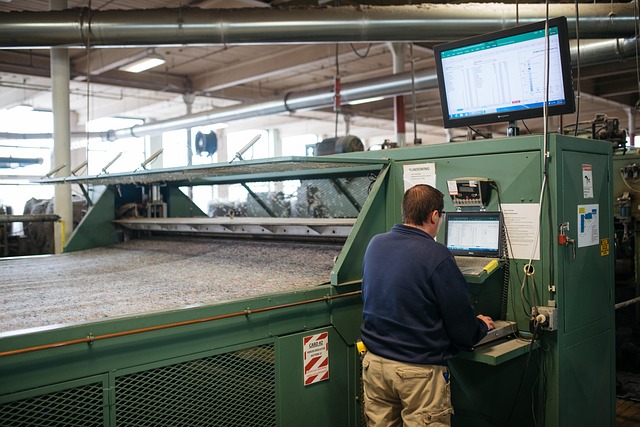
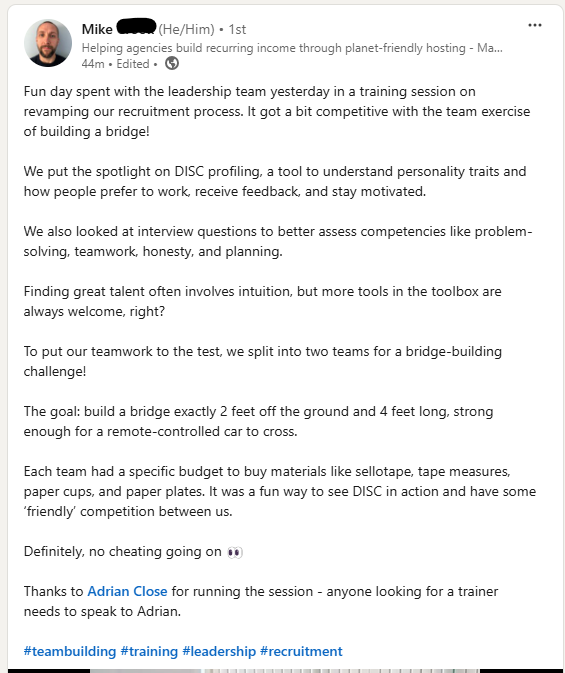 Front-line leadership development for production supervisors and team leaders Front-line leadership development for production supervisors and team leaders |
What New Managers Need to Learn FirstNew managers do not need to learn everything at once. But they do need strong foundations. They need to learn how to communicate expectations clearly. They need to understand delegation as a leadership skill. They need to build confidence in managing people, not just tasks. They need to learn how to handle performance issues early. They need to understand how to lead former peers fairly. They need to develop accountability without aggression. They need to know how to motivate and support different people. They need to shift from being the person who does the work to the person who helps the team perform the work well. These are practical skills. They can be taught. But they should not be left to chance. |
How do I train new managers in manufacturing
New Manager Training for Manufacturing | From Shop Floor Expert to Confident Leader
Why the Online Leadership Academy for Manufacturing Supports This Transition
The Online Leadership Academy for Manufacturing is designed for exactly this challenge.
It supports team leaders, supervisors, new managers and managers who have never received formal leadership training.
It helps technically capable people make the transition into leadership with more confidence, clarity and structure.
The Academy focuses on the practical skills that matter in real manufacturing environments: communication, delegation, accountability, confidence, motivation and performance conversations.
It is not about complicated theory. It is about helping people lead better in the workplace.
Because it is online, it also fits the reality of busy manufacturing teams. Managers can develop without being taken away from production for long periods. They can learn in manageable sections, apply ideas in real situations and revisit tools when they need them.
This matters because leadership development is not a one-off event.
It is a process.
The Academy gives new managers a structured way to grow into their role, while giving the business a practical, cost-effective way to build leadership capability.
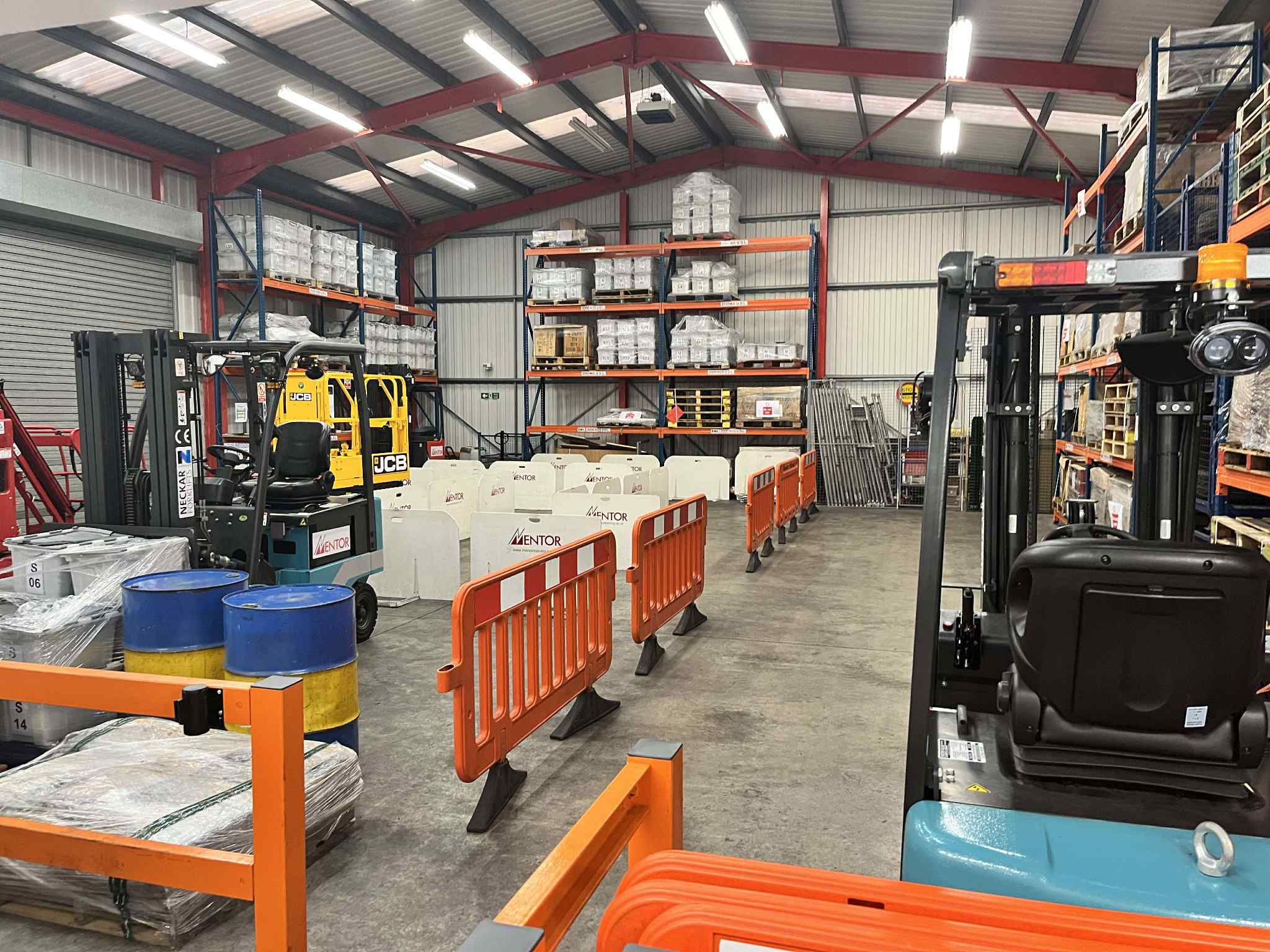
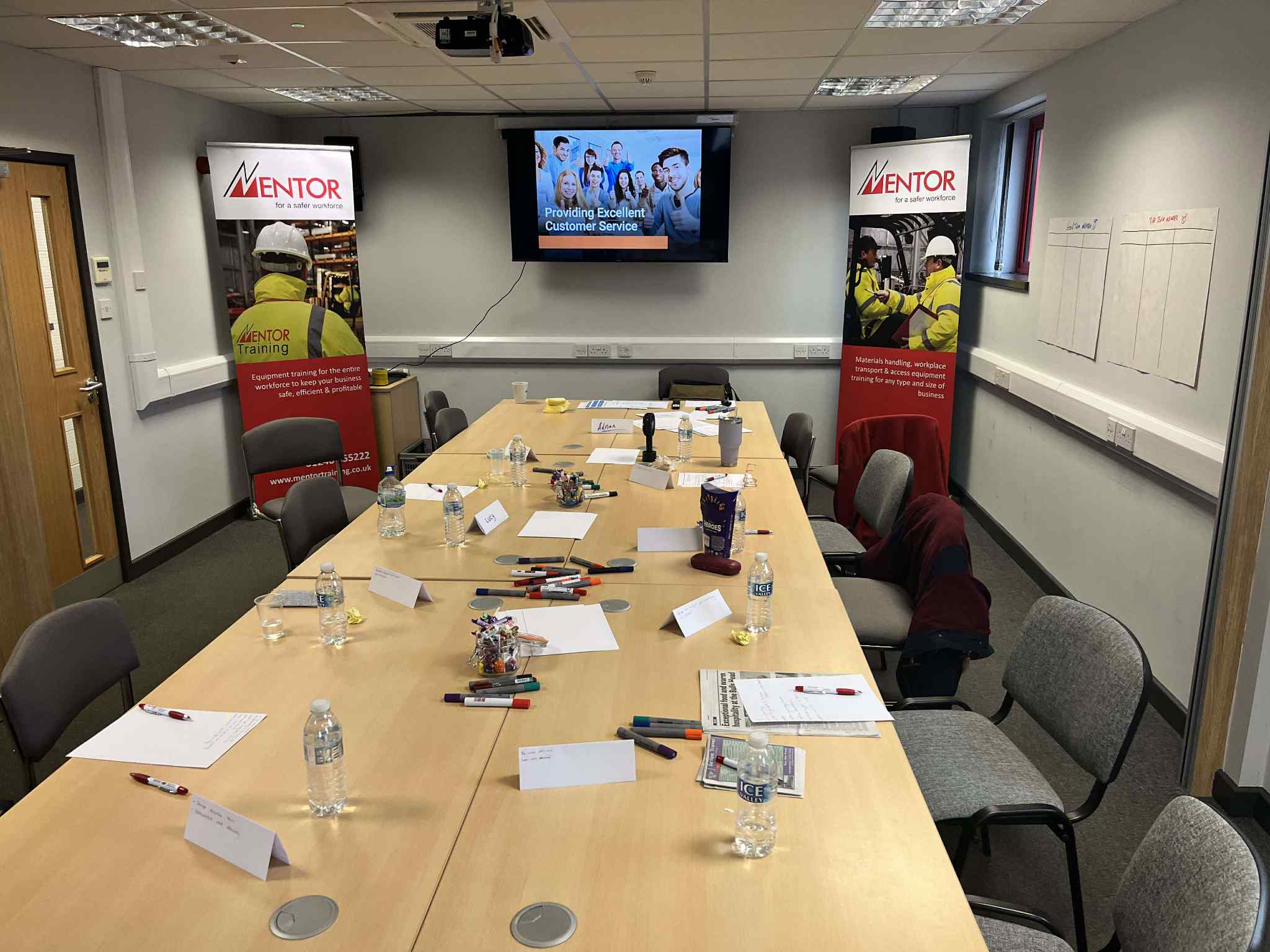
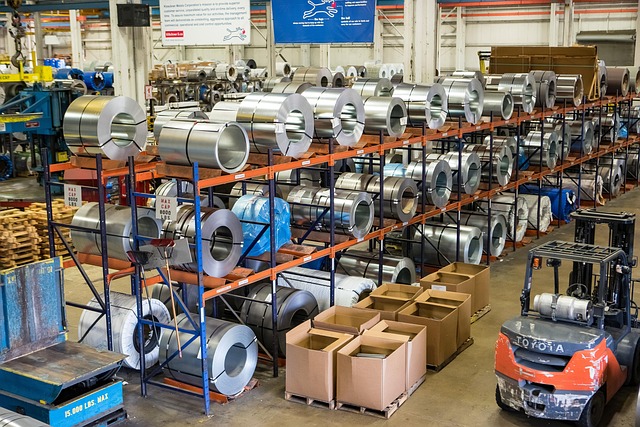
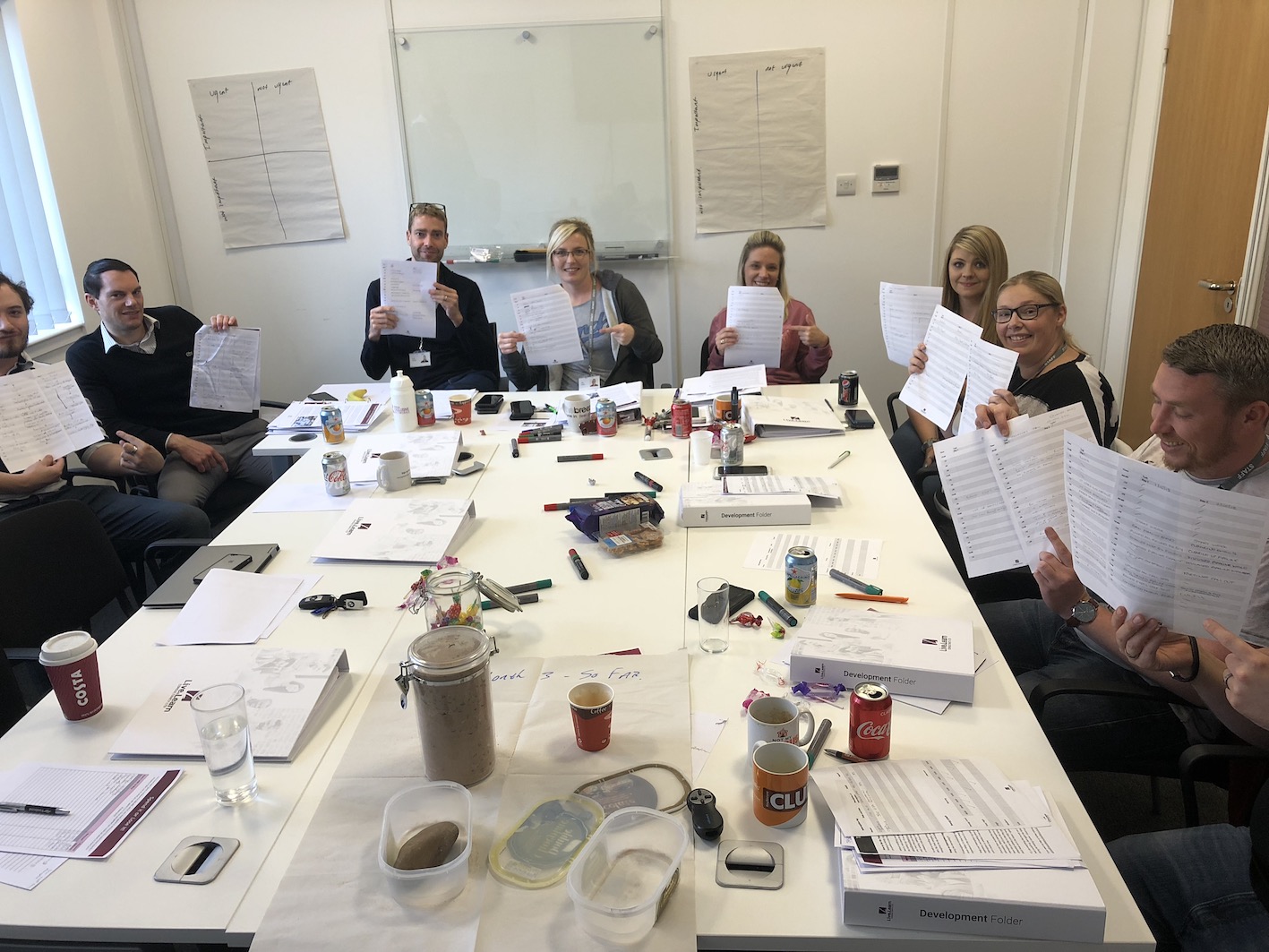 Leadership development for supervisors managing teams on the shop floor
How do I train new managers in manufacturing
New Manager Training for Manufacturing | From Shop Floor Expert to Confident Leader
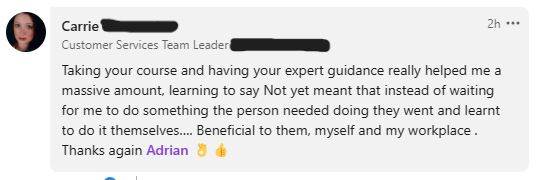 Online management training for manufacturing team leaders and new managers
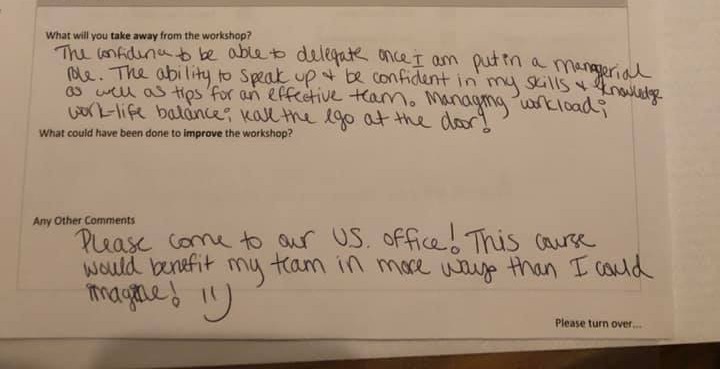 Practical leadership skills for supervisors in production and operations
Final Thought: How do I train new managers in manufacturing
A shop floor expert can become an excellent leader.
Their technical experience can give them credibility. Their understanding of the work can help them make better decisions. Their knowledge of the team can help them lead with insight.
But they still need to learn how to lead.
They need to move from doing to developing.
From fixing to coaching.
From assuming to communicating.
From avoiding to addressing.
From being the expert to building expertise in others.
That transition is too important to leave to chance.
When businesses invest in new managers, they do more than support one person. They strengthen the whole team.
Because confident leaders create clearer expectations, better communication, stronger accountability and improved performance.
Technical skill may open the door to management.
Leadership development helps people walk through it successfully.
Contact One of the Team Here to Discuss Your Training Needs
How do I train new managers in manufacturing
New Manager Training for Manufacturing | From Shop Floor Expert to Confident Leader
Companies That Have Received Leadership and Management training From Us - Both On and Off-line
 Manufactures Machines
 Civil Engineers
 Sheffield Engineering
 Carbon Technology


 Heating Solutions
 Engineers and Sustainability Consultants



 Chutney and Relish

 Food Producers




How do I train new managers in manufacturing
New Manager Training for Manufacturing | From Shop Floor Expert to Confident Leader
See our latest articles and more:
Which online leadership training works for manufacturing supervisors?
How do I train production team leaders without taking them off the floor for days?
What leadership skills do first-time managers in manufacturing need?
What is the best way to develop shift leaders in a factory?
Can leadership training be delivered online for manufacturing teams?
Why Promoting Technically Skilled People Without Leadership Training Creates Problems
The Leadership Skills Every Manufacturing Supervisor Needs to Succeed
How Online Leadership Training Can Support Busy Manufacturing Teams
From Shop Floor Expert to Confident Leader: What New Managers Need to Learn
Why Front-Line Leadership Development Is Critical for Manufacturing Performance
Click here for more information about Adrian Close, Director of Learning at Ultimate Leadership Training
 Adrian Close’s Starting Strong book used in leadership training for manufacturing managers
Thank you for visiting our How do I train new managers in manufacturing page, here is a link to our Homepage
How do I train new managers in manufacturing? Online Leadership Academy for Manufacturing helps team leaders and supervisors build confidence, communication, delegation and performance leadership skills without taking them away from production for long periods
How do I train new managers in manufacturing
New Manager Training for Manufacturing | From Shop Floor Expert to Confident Leader