Manufacturing Supervisor Leadership Skills
Manufacturing Supervisor Leadership Skills - The Leadership Skills Every Manufacturing Supervisor Needs to Succeed
A supportive guide for supervisors, team leaders, HR managers and manufacturing business leaders
Let’s start with something honest.
Being a manufacturing supervisor is not easy.
In fact, it is one of the most underestimated leadership roles in any business.
You are expected to keep production moving, maintain quality, support health and safety, manage people, solve problems, communicate with managers, calm down frustrations, deal with absence, respond to breakdowns, keep standards high, support new starters, encourage improvement and somehow stay calm when everything is happening at once.
And often, you are expected to do all of that after being promoted because you were good at the job - not because anyone properly taught you how to lead people.
That is a big difference.
Being technically good gets you noticed.
Being able to lead people is what helps you succeed.
This blog is written for manufacturing supervisors, production team leaders, shift leaders and first line managers who want to do the job well, but sometimes feel pulled in every direction. It is also written for HR managers, business owners and manufacturing directors who know their supervisors need more than pressure and good intentions.
Because here is the truth:
Your supervisors do not need to become perfect leaders.
They need to become more confident, more consistent and more prepared for the real people challenges they face every day.
That is where the right leadership skills make all the difference.
Industry guidance often highlights communication, coaching, conflict resolution and accountability as vital manufacturing leadership skills. Other manufacturing leadership resources also point to empathy, strategic thinking, inspiration, integrity, problem-solving and delegation as important skills for supervisors and leaders.
But let’s bring those skills down from theory and into the real world of the shop floor.
Manufacturing Leadership Scorecard
Answer each question to receive your leadership score.
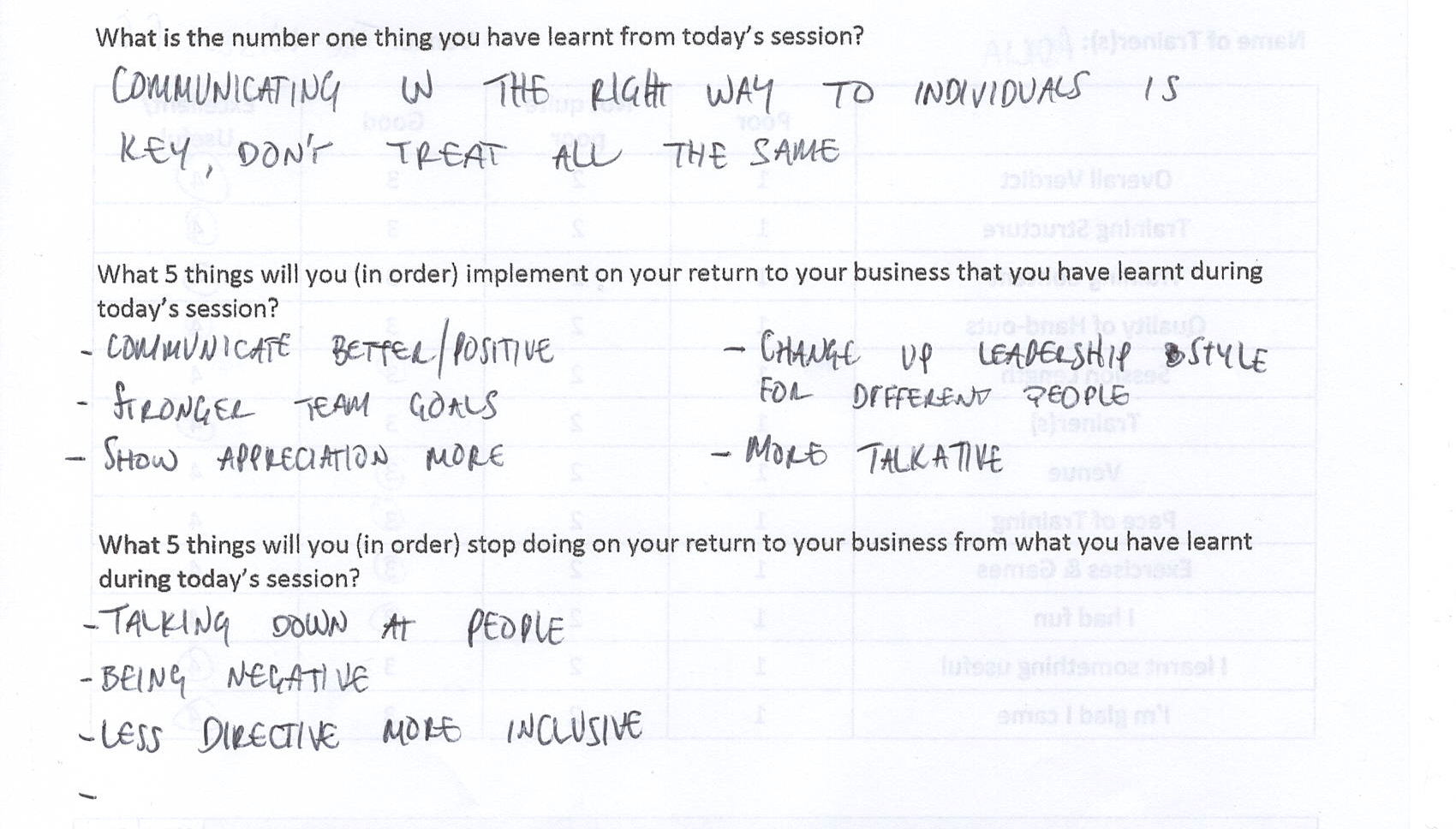 Supervisors learning how to handle difficult workplace conversations
Manufacturing supervisor leadership skills
What leadership skills do manufacturing supervisors need to succeed?
1. The Skill Of Clear Communication
If there is one leadership skill every manufacturing supervisor needs, it is communication.
Not complicated communication.
Clear communication.
The kind that removes doubt.
The kind that helps people understand what needs to happen, why it matters and what good looks like.
In manufacturing, unclear communication creates real problems. It can lead to missed targets, quality issues, rework, safety risks, poor shift handovers and frustration between departments.
A supervisor may think they have explained something clearly, but the real test is not whether they said it.
The real test is whether the team understood it.
Good communication sounds like:
- “Here is what needs to be done.”
- “Here is the standard we are working to.”
- “Here is why it matters.”
- “Here is what I need from you today.”
- “Here is what we will do if there is a problem.”
That might sound simple, but simple is powerful.
Supervisors often get caught in the trap of assuming people know what they mean. But people are not mind readers. They need clarity, especially in a busy manufacturing environment where noise, pressure and time constraints can easily distort the message.
A confident supervisor checks understanding.
They do not just talk at people.
They ask:
- “Does that make sense?”
- “What could get in the way?”
- “Can you talk me through what you are going to do first?”
- “Is there anything you are unsure about?”
That is not weakness.
That is leadership.
The best manufacturing supervisors understand that communication is not just giving instructions. It is creating alignment.
And when a team is aligned, performance becomes easier to manage.
Manufacturing supervisor leadership skills
What leadership skills do manufacturing supervisors need to succeed?
2. The Skill Of Moving From Mate To Manager
Many manufacturing supervisors are promoted from within.
That can be a real strength. They know the team. They understand the work. They know the pressures. They have credibility because they have done the job themselves.
But it can also be one of the hardest transitions in leadership.
Yesterday, they were part of the team.
Today, they are responsible for leading it.
That shift can feel awkward.
A new supervisor might worry about upsetting people they used to work alongside. They may avoid difficult conversations because they do not want to be seen as “acting differently.” They may overcompensate by becoming too firm, too distant or too task-focused.
This is where mentoring and leadership development are so important.
The goal is not to become a different person.
The goal is to understand that the relationship has changed.
A supervisor can still be respectful, friendly and supportive - but they also need boundaries.
They need to be able to say:
- “I know we have worked together for a long time, but in this role I have to make sure the standards are consistent.”
- “I want us to have a good working relationship, but I also need to address this issue.”
- “I am not raising this to criticise you. I am raising it because it matters.”
That kind of language helps supervisors lead without becoming harsh or uncomfortable.
The move from colleague to leader is not about losing connection.
It is about adding responsibility.
And with the right support, supervisors can learn to manage that transition with confidence.
Manufacturing supervisor leadership skills
What leadership skills do manufacturing supervisors need to succeed?
3. The Skill Of Coaching, Not Just Telling
In manufacturing, it is often quicker to tell someone what to do.
Sometimes that is necessary. If there is a safety issue, a quality concern or an urgent production problem, the supervisor may need to give clear direction immediately.
But if supervisors only ever tell people what to do, they can accidentally create dependency.
- The team keeps coming back for answers
- The supervisor becomes the bottleneck
- People stop thinking for themselves
That is why coaching is such a valuable leadership skill for manufacturing supervisors. Coaching is widely recognised as an important capability for manufacturing leaders.
Coaching does not mean sitting in a quiet room with a notebook for an hour.
On the shop floor, coaching can happen in short, practical conversations.
It can sound like:
- “What do you think the issue is?”
- “What have you already tried?”
- “What options do we have?”
- “What would you do if I was not here?”
- “What do you need to feel confident doing this next time?”
Those questions help people think.
They build ownership.
They develop skill.
They also help supervisors stop carrying every problem themselves.
A good manufacturing supervisor knows when to instruct and when to coach.
Instruction is useful when someone does not know what to do.
Coaching is useful when someone needs to develop confidence, judgement and ownership.
The more a supervisor coaches, the stronger the team becomes.
And the stronger the team becomes, the less the supervisor has to firefight.
4. The Skill Of Accountability Without Aggression
Accountability is one of the most misunderstood words in leadership.
Some people hear “accountability” and think it means being hard, strict or confrontational.
It does not.
Accountability means people understand what is expected, take responsibility for their actions and know that standards matter.
Manufacturing teams need accountability.
Without it, small problems become normal.
- Lateness becomes tolerated
- Poor handovers become accepted
- Workarounds become habits
- Standards drift.
The phrase “that’s just how it is on that shift” starts to appear.
A strong supervisor does not allow standards to become optional.
But they also do not need to lead through fear.
Accountability can be calm.
It can be fair.
It can be respectful.
It can sound like:
- “We agreed this would be done by 10am. It has not happened. Talk me through what got in the way.”
- “This is the second time this issue has come up, so we need to address it properly.”
- “I understand it was a difficult shift, but we still need to follow the process.”
- “I am not ignoring this because it affects the rest of the team.”
That is not aggressive.
That is clear.
And clarity is often kinder than avoidance.
When supervisors avoid accountability, the best team members usually notice first. They see others getting away with poor behaviour or low standards, and they start to feel frustrated.
Accountability protects the people who are doing things properly.
- It protects quality
- It protects safety
- It protects the business
And it helps create a workplace where everyone knows the standard is real.
Manufacturing supervisor leadership skills
What leadership skills do manufacturing supervisors need to succeed?
5. The Skill Of Handling Difficult Conversations
No manufacturing supervisor enjoys difficult conversations.
Most people would rather avoid them.
That is normal.
But avoiding difficult conversations usually makes the problem bigger.
- The person who keeps turning up late does not improve because nobody says anything
- The operator with a poor attitude does not suddenly become more positive because the supervisor hopes they will
- The team member who ignores the process does not change because everyone quietly complains about it in the office
Difficult conversations are part of supervision.
The good news is that they can be learned.
A supervisor does not need to be naturally confrontational. In fact, the best difficult conversations are not confrontational at all.
- They are structured
- They are calm
- They are specific
- They focus on behaviour, impact and expectation
For example:
“I want to talk about yesterday’s handover. The information about the quality issue was not passed on, which meant the next shift lost time investigating something we already knew. Going forward, I need you to make sure issues like that are included in the handover notes.”
That is much more effective than:
“Your handovers are terrible.”
- Specific beats emotional
- Calm beats reactive
- Early beats late
The longer supervisors wait, the harder conversations become. That is why leadership training for manufacturing supervisors should include practical tools for handling difficult conversations before issues escalate.
Conflict resolution is commonly identified as an important manufacturing leadership capability.
And when supervisors learn how to handle difficult conversations well, HR teams often feel the benefit too. Fewer issues are escalated unnecessarily. Problems are addressed earlier. Managers become more confident. Employees experience more consistent leadership.
That is good for everyone.
6. The Skill Of Emotional Control Under Pressure
Manufacturing can be intense.
- Machines break down
- Materials arrive late
- Customers change requirements
- People call in sick
- Quality issues appear at the worst possible time
- Senior managers ask for updates
- The team looks to the supervisor
In those moments, the supervisor’s emotional control matters.
People watch how leaders respond under pressure.
- If the supervisor panics, the team feels it
- If the supervisor blames, the team becomes defensive
- If the supervisor snaps, people may stop speaking up
- If the supervisor stays calm, focused and practical, the team is more likely to do the same
- This does not mean supervisors should pretend everything is fine
- It means they learn to pause before reacting
They learn to separate the problem from the person.
They learn to ask:
- “What is the priority right now?”
- “What do we know?”
- “What do we need to find out?”
- “Who needs to be involved?”
- “What is the next best action?”
That kind of calm leadership is powerful.
- It helps the team trust the supervisor
- It reduces unnecessary drama
- It improves decision-making
And it shows people that pressure does not have to control behaviour.
Emotional control is not about being emotionless.
It is about being responsible for the impact you have on others.
Manufacturing supervisor leadership skills
What leadership skills do manufacturing supervisors need to succeed?
Latest Articles





7. The Skill Of Problem-Solving
Manufacturing supervisors solve problems every day.
- Some are technical
- Some are people-related
- Some are process issues
- Some are communication failures pretending to be process issues
A good supervisor learns not to jump too quickly to the first answer.
- They ask better questions
- They look for the root cause
- They involve the right people
- They avoid blaming before understanding
Problem-solving is one of the key skills often associated with manufacturing leadership.
A mentoring approach to problem-solving might sound like this:
- “Let’s slow this down.”
- “What exactly happened?”
- “When did it start?”
- “Has this happened before?”
- “What changed?”
- “Who else is affected?”
- “What can we do now, and what do we need to prevent it happening again?”
This approach teaches the team to think, not just react.
It also supports continuous improvement.
Manufacturing businesses often want improvement cultures, but improvement depends on people feeling safe enough to identify problems and capable enough to help solve them.
Supervisors play a key role in that.
- They are close enough to the work to see the reality
- They are senior enough to influence behaviour
- They are practical enough to know what will actually work
When supervisors improve their problem-solving skills, they become more than task managers.
They become improvement leaders.
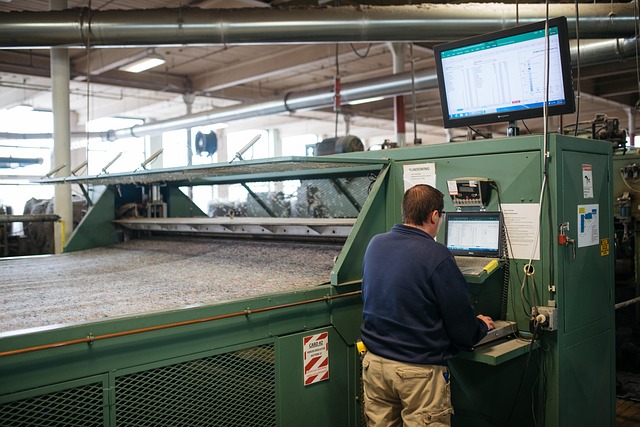
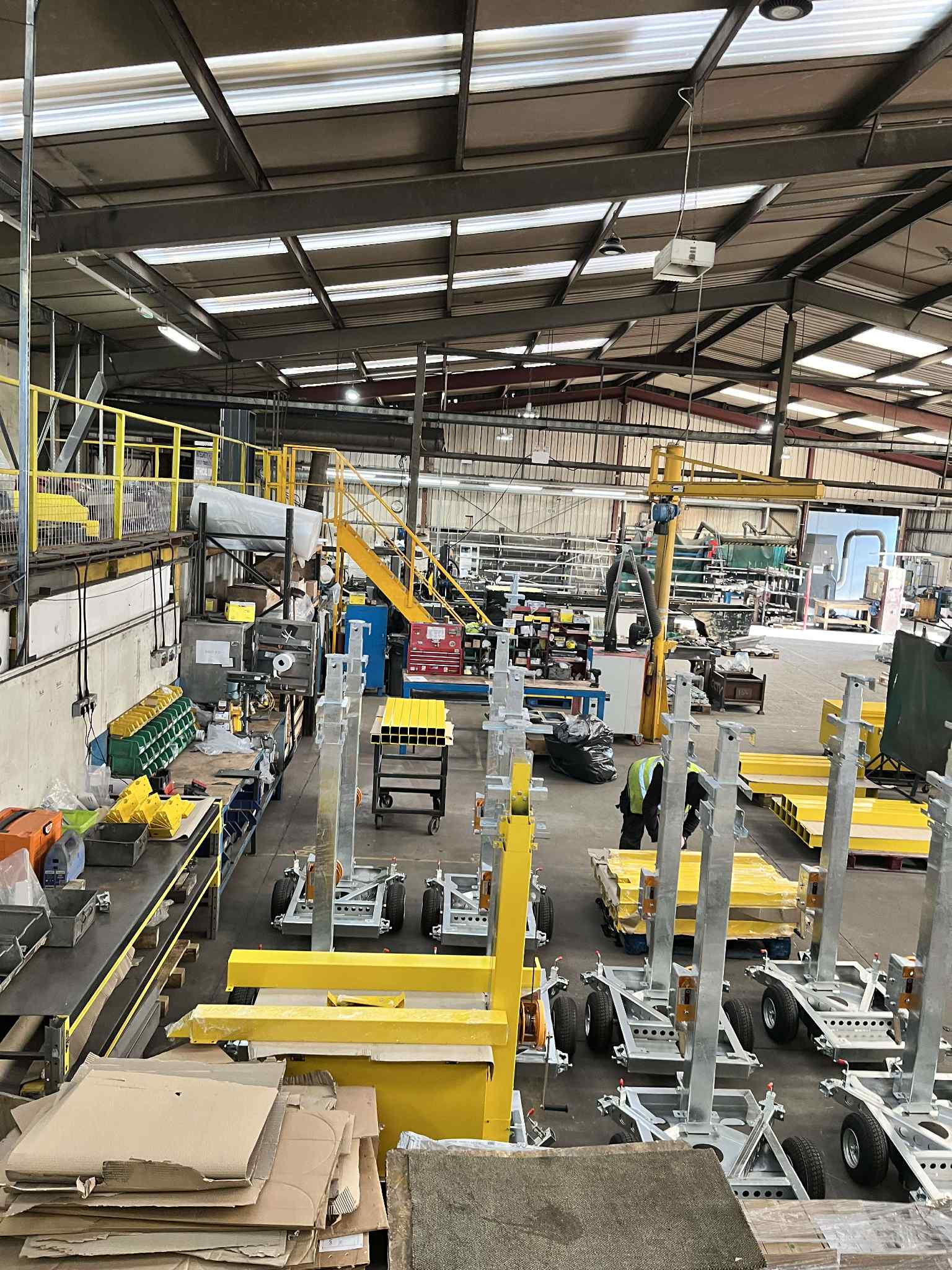 Manufacturing training programme helping managers lead with clarity and confidence
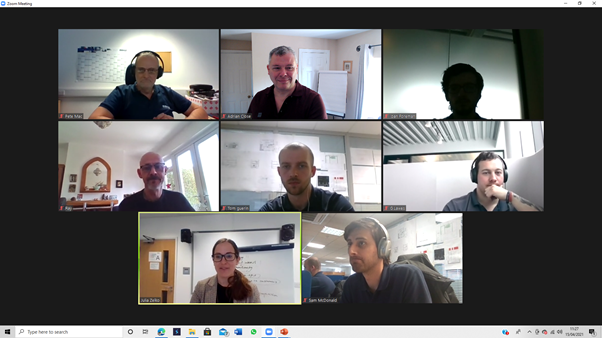 Practical management training for new leaders in manufacturing
Manufacturing supervisor leadership skills
What leadership skills do manufacturing supervisors need to succeed?
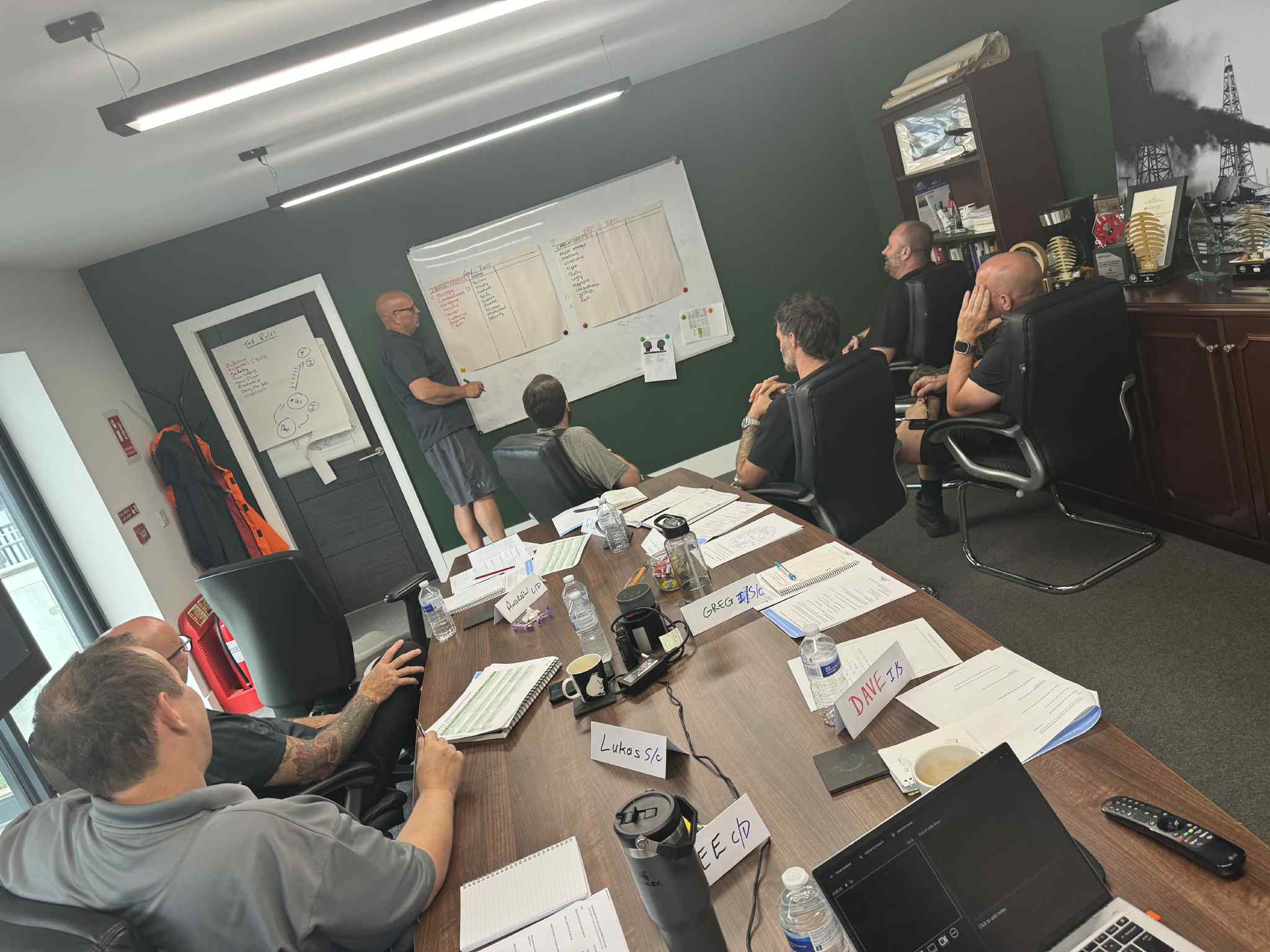 Manufacturing supervisor reviewing daily targets with employees
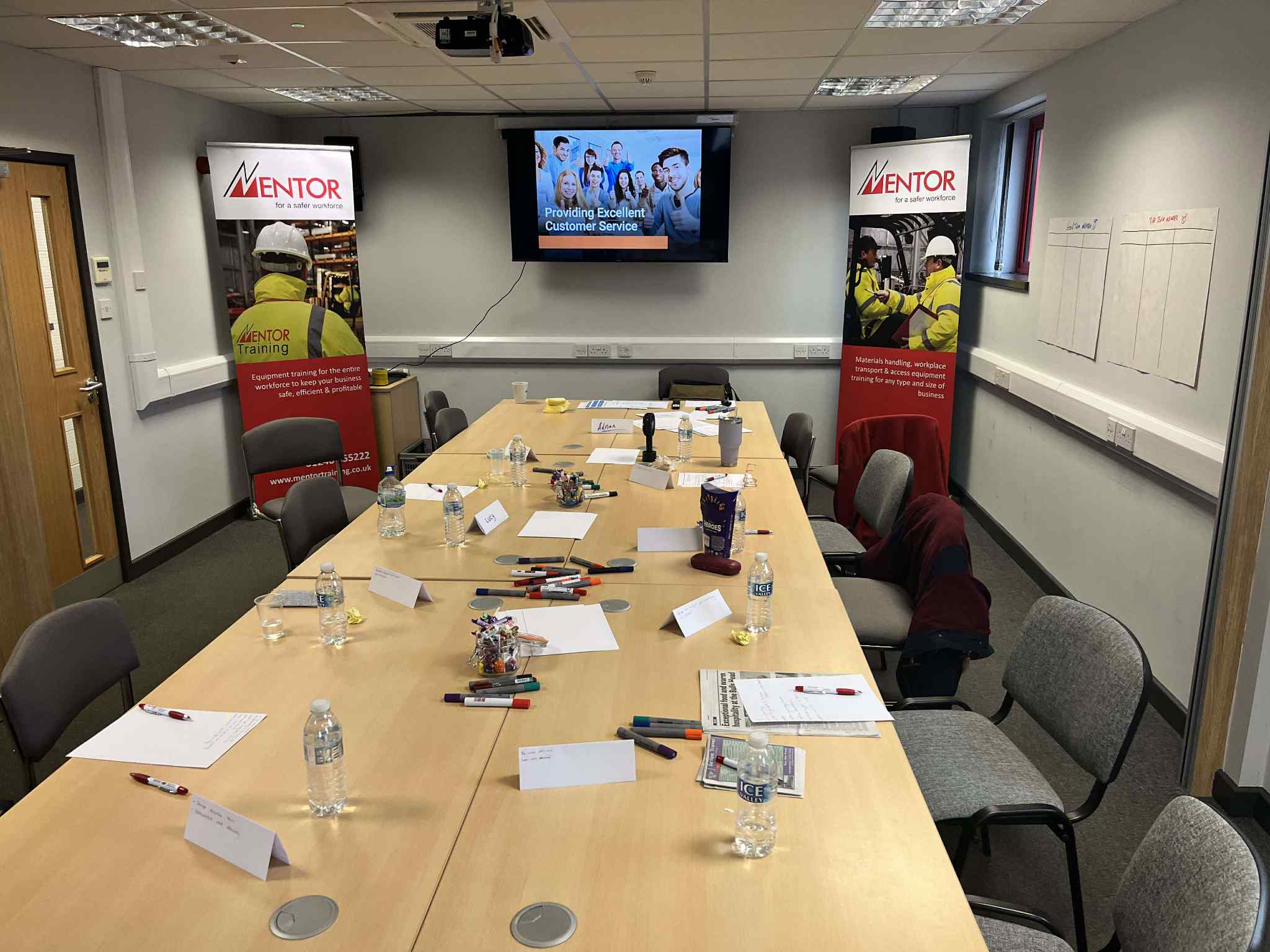
 Factory managers attending leadership development training session
8. The Skill Of Delegation
Many supervisors struggle with delegation.
Not because they are lazy.
Usually because they care.
They think:
- “It is quicker if I do it myself.”
- “No one will do it the way I do it.”
- “I do not want to overload the team.”
- “If it goes wrong, I will be blamed.”
These thoughts are understandable.
But when supervisors do everything themselves, they limit the team’s development and exhaust themselves.
Delegation is not dumping tasks.
It is developing people.
Strategic delegation is also recognised as an important skill for manufacturing leaders.
Good delegation includes clarity.
- What needs to be done?
- Why does it matter?
- What does good look like?
- When does it need to be completed?
- What support is available?
- When should the person come back for help?
A supervisor might say:
“I would like you to lead the first part of the shift briefing tomorrow. I will help you prepare today, and I will be there if you need support. This will help you build confidence speaking to the team.”
That is delegation with development.
The supervisor is not just handing off work.
They are building capability.
When supervisors delegate well, people grow.
The team becomes stronger.
The supervisor gets more time to lead rather than constantly doing.
That is a major step in moving from operator mindset to leadership mindset.
Manufacturing supervisor leadership skills
What leadership skills do manufacturing supervisors need to succeed?
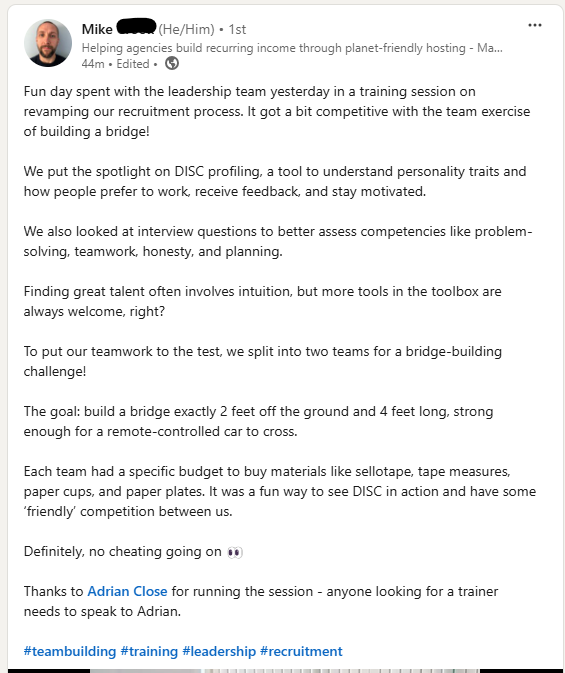 Front-line leadership development for production supervisors and team leaders Front-line leadership development for production supervisors and team leaders Leadership development for supervisors managing teams on the shop floor Leadership development for supervisors managing teams on the shop floor |
9. The Skill Of Giving Feedback People Can UseFeedback is one of the most practical leadership tools a supervisor has. But feedback is often either avoided or delivered badly. Some supervisors only give feedback when something has gone wrong. Others make feedback too vague. “Good job.” “Do better next time.” “That was not good enough.” None of those phrases gives the person much to work with. Useful feedback is specific. It tells the person what they did, what impact it had and what should continue or change. Positive feedback might sound like: “The way you checked the paperwork before starting that batch prevented a possible quality issue. That attention to detail is exactly what we need.” Corrective feedback might sound like: “The tool was not returned to the correct place after the changeover. That delayed the next person and created unnecessary downtime. Please make sure it goes back to the marked location every time.” That kind of feedback is clear and practical.
Manufacturing supervisors need to give feedback regularly, not just during formal reviews or when something goes wrong. Regular feedback builds trust. It reinforces standards. It helps people understand what matters. And it makes difficult conversations easier because the supervisor is already used to talking about performance. |
Manufacturing supervisor leadership skills
What leadership skills do manufacturing supervisors need to succeed?
10. The Skill Of Building Trust
Trust is not built through a job title.
It is built through behaviour.
A supervisor builds trust when they do what they say they will do.
- They build trust when they are fair
- They build trust when they listen
- They build trust when they follow up
- They build trust when they do not have favourites
- They build trust when they admit they do not know something
- They build trust when they support the team but still uphold standards
Trust does not mean everyone always agrees with the supervisor.
It means people believe the supervisor is consistent, honest and trying to do the right thing.
Integrity is regularly highlighted as an important leadership quality in manufacturing.
In a manufacturing environment, trust matters because people need to speak up.
- They need to report near misses
- They need to raise quality concerns
- They need to admit when something has gone wrong
- They need to ask for help before a mistake becomes serious
If the team does not trust the supervisor, they may stay quiet
And silence can be costly.
A trusted supervisor creates a safer, more honest and more effective working environment.

Manufacturing supervisor leadership skills
What leadership skills do manufacturing supervisors need to succeed?
Can leadership training be delivered online for manufacturing teams?
Can leadership training be delivered online for manufacturing teams?
Yes, when it is designed around real manufacturing challenges, practical application and ongoing support. Online leadership training can be ideal for supervisors and team leaders because it allows flexible learning, consistent content and development across shifts and sites.
What is the best online leadership training for manufacturing supervisors?
What is the best online leadership training for manufacturing supervisors?
The best programme is one that focuses on practical supervisory skills, difficult conversations, communication, accountability, confidence and the realities of leading people in production environments. It should also include live support, not just self-paced modules.
How do I develop team leaders in a manufacturing business?
How do I develop team leaders in a manufacturing business?
Develop team leaders by giving them structured training, clear expectations, practical tools, opportunities to apply learning, feedback and regular support. My Online Leadership Academy for Manufacturing Teams provides this structure for both individuals and teams.
Can online supervisor training improve shop floor performance?
Can online supervisor training improve shop floor performance?
Yes, because supervisors influence communication, standards, accountability, morale and productivity. When supervisors lead more consistently, teams are more likely to understand expectations and take ownership.
Is online leadership training suitable for shift workers?
Is online leadership training suitable for shift workers?
Yes. Online training can be particularly useful for manufacturing shift teams because it gives learners flexibility and allows businesses to develop people without removing entire groups from production at the same time.
What skills do manufacturing team leaders need?
What skills do manufacturing team leaders need?
Manufacturing team leaders need communication skills, confidence, emotional control, delegation, feedback skills, problem-solving, conflict management, accountability, coaching skills and the ability to lead people through pressure and change.
How can HR support new supervisors promoted from the shop floor?
How can HR support new supervisors promoted from the shop floor?
HR can support new supervisors by providing structured leadership development early, especially around managing former peers, setting boundaries, handling difficult conversations and understanding the responsibilities of leadership.
Manufacturing supervisor leadership skills
What leadership skills do manufacturing supervisors need to succeed?
Online management training for manufacturing team leaders and new managers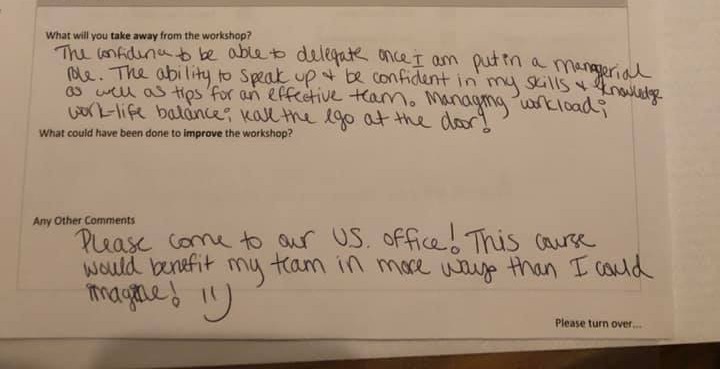 Practical leadership skills for supervisors in production and operations
11. The Skill Of Leading Change
Manufacturing businesses are constantly changing.
- New systems
- New processes
- New customers
- New machines
- New quality requirements
- New layouts
- New technology
- New expectations
Change can be tiring for teams, especially if they have seen previous initiatives start strongly and then disappear.
Supervisors are often the people who have to make change real.
Senior leaders may announce the change, but supervisors have to explain it, reinforce it and deal with the resistance.
That is not easy.
A good supervisor learns to communicate change with honesty and purpose.
They do not just say:
- “Management says we have to do this.”
They say:
- “Here is what is changing.”
- “Here is why it matters.”
- “Here is how it affects us.”
- “Here is what I need from the team.”
- “Here is what we will review as we go.”
People may still resist.
That is normal.
But resistance is often reduced when people feel informed, heard and supported.
Leadership development programmes in manufacturing often focus on helping leaders motivate, inspire and drive change.
Supervisors do not need to have every answer.
But they do need to be able to guide people through uncertainty.
That is leadership.
12. The Skill Of Supporting Continuous Improvement
Continuous improvement is not just about tools, boards, meetings or projects.
It is about mindset.
- Do people believe problems can be improved?
- Do they feel able to suggest ideas?
- Do supervisors listen?
- Are small improvements recognised?
- Are issues followed up?
A manufacturing supervisor has a major influence on whether continuous improvement becomes part of daily work or just another initiative.
If a team member raises an idea and nothing happens, they may not bother again.
If a supervisor dismisses concerns too quickly, people stop speaking.
If improvement only feels like extra work, the team may resist it.
A supportive supervisor helps people see improvement as practical.
They ask:
- “What is making this harder than it needs to be?”
- “What slows us down?”
- “What causes rework?”
- “What frustrates the team?”
- “What small change would help?”
Leadership training for manufacturing supervisors is often linked with productivity and continuous improvement.
The supervisor’s role is not to have every idea.
It is to create the conditions where good ideas are noticed, tested and followed through.
That is how improvement becomes part of the culture.
Manufacturing supervisor leadership skills
What leadership skills do manufacturing supervisors need to succeed?
13. The Skill Of Confidence
Confidence matters.
Not arrogance.
Not pretending.
Real confidence.
The kind that allows a supervisor to speak clearly, make decisions, ask for help, challenge poor standards and support the team without constantly second-guessing themselves.
Many supervisors lack confidence because nobody has shown them how to lead.
They are trying to work it out while under pressure.
That can feel lonely.
A supervisor may think:
- “Am I handling this right?”
- “What if I say the wrong thing?”
- “What if the team pushes back?”
- “What if I make the problem worse?”
Those concerns are normal.
Confidence grows through training, practice, support and experience.
That is why online leadership training for manufacturing supervisors can be so valuable when it is practical and supported. It gives supervisors tools they can use, language they can practise and a structure they can return to.
Confidence does not appear overnight.
It builds each time a supervisor handles something better than they would have before.
- One clearer conversation.
- One better handover.
- One fairer challenge.
- One calmer response.
- One stronger team briefing.
That is progress.
And progress is what leadership development is really about.
Why Supervisors Should Not Have To Figure This Out Alone
Too many manufacturing supervisors are expected to learn leadership by trial and error.
- Some manage.
- Some struggle quietly.
- Some become stressed.
- Some avoid people issues.
- Some become overly forceful because they think that is what leadership requires.
- Some leave.
- Some stay but never reach their potential.
That is not because they are not capable.
It is often because they have not been properly supported.
A manufacturing business would not expect someone to operate complex equipment without training.
It would not expect someone to understand quality systems without guidance.
It would not expect someone to manage health and safety responsibilities without instruction.
So why expect supervisors to lead people without development?
- Leadership is a skill.
- Supervision is a skill.
- Managing people is a skill.
And skills need to be taught, practised and supported.
Manufacturing supervisor leadership skills
What leadership skills do manufacturing supervisors need to succeed?
How My Online Leadership Academy Supports Manufacturing Supervisors And Team Leaders
My Online Leadership Academy for Manufacturing Teams has been designed for the real world of manufacturing supervision.
It supports individuals and teams who need to develop practical leadership and supervisory skills without being pulled away from the workplace for long periods.
It is especially valuable for:
- New supervisors promoted from the shop floor
- Production team leaders who need more confidence
- Shift leaders managing people issues
- First line managers who need practical tools
- Experienced supervisors who have never had formal leadership training
- Manufacturing businesses that want consistent leadership across shifts or departments
- HR managers looking for a scalable supervisor development solution
- Business owners who want stronger communication, accountability and ownership
The Academy focuses on the leadership skills supervisors actually use.
- Communication.
- Accountability.
- Difficult conversations.
- Feedback.
- Coaching.
- Delegation.
- Confidence.
- Problem-solving.
- Team motivation.
- Managing pressure.
- Leading change.
- Supporting continuous improvement.
And because the Academy includes monthly training and support sessions with me, learners are not left alone to work everything out by themselves.
That matters.
A supervisor can learn something online, try it at work, then bring questions, challenges and real examples into the monthly support session.
- That is where confidence grows.
- That is where the learning becomes practical.
- That is where supervisors start to realise:
“I can do this.”
About Me: Practical Support From Someone Who Understands The Role
The Academy is delivered by me, Adrian Close, a multi award-winning business manager and training consultant with real experience of the everyday issues manufacturing supervisors and team leaders face.
That experience matters because manufacturing leadership is not neat and tidy.
It involves people, pressure, targets, standards and problems that do not always arrive one at a time.
I understand the situations supervisors deal with, including:
- Team members resisting change
- Operators not following agreed processes
- Poor communication between shifts
- Supervisors avoiding difficult conversations
- Team leaders struggling to manage former colleagues
- Absence, lateness and reliability concerns
- Conflict between team members
- Production pressure affecting behaviour
- Quality issues causing blame between departments
- New starters needing structure and support
- Apprentices requiring feedback and guidance
- Experienced employees challenging new supervisors
- Managers feeling stuck between senior leadership and the shop floor
- Low morale after busy or difficult periods
- Standards slipping when nobody challenges them
- Team leaders lacking confidence in meetings
- Firefighting becoming normal
- Improvement ideas being ignored
- Health and safety conversations being avoided
- People saying, “That’s not my job”
The training is built around these realities.
It is not leadership theory for the sake of theory.
It is practical development for supervisors who need to lead people in real manufacturing environments.
Contact Me Here if You Have Any Questions
Manufacturing supervisor leadership skills
What leadership skills do manufacturing supervisors need to succeed?
A Gentle Challenge For Manufacturing Leaders - Manufacturing supervisor leadership skills
Here is a question worth considering.
If your supervisors became just 10% better at communication, accountability, feedback and difficult conversations, what difference would that make?
- What would happen to the number of issues escalated to HR?
- What would happen to consistency between shifts?
- What would happen to morale?
- What would happen to quality conversations?
- What would happen to productivity?
- What would happen to the confidence of your supervisors?
Leadership development does not need to be complicated to make a difference.
But it does need to be intentional.
Supervisors need more than a job title.
- They need support.
- They need tools.
- They need practice.
- They need someone to guide them.
And they need training that understands the world they actually work in.
Final Thought: Supervisors Shape The Culture Every Day
Manufacturing culture is not only shaped in boardrooms.
- It is shaped in shift briefings.
- It is shaped in handovers.
- It is shaped when a supervisor challenges a poor standard.
- It is shaped when a team leader listens properly.
- It is shaped when someone is coached instead of criticised.
- It is shaped when difficult conversations happen early and fairly.
- It is shaped when people know what is expected and feel supported to do it.
That is why manufacturing supervisors matter so much.
They are the link between strategy and reality.
- Between senior leadership and the shop floor.
- Between the plan and the performance.
- Between standards on paper and standards in practice.
The leadership skills every manufacturing supervisor needs to succeed are not mysterious. They can be learned. They can be practised. They can be developed.
And with the right support, supervisors can become confident leaders who bring clarity, consistency and calm to the teams they lead.
My Online Leadership Academy for Manufacturing Teams is designed to help them do exactly that.
- Not by overwhelming them with theory.
- Not by leaving them alone with generic content.
But by giving them practical leadership training, monthly support and the confidence to lead people well in the real world of manufacturing.
Because when supervisors grow, teams grow.
And when teams grow, the business gets stronger.
Contact One of the Team Here to Discuss Your Training Needs
Manufacturing supervisor leadership skills
What leadership skills do manufacturing supervisors need to succeed?
Companies That Have Received Leadership and Management training From Us - Both On and Off-line
 Manufactures Machines
 Civil Engineers
 Sheffield Engineering
 Carbon Technology


 Heating Solutions
 Engineers and Sustainability Consultants



 Chutney and Relish

 Food Producers




Manufacturing supervisor leadership skills
What leadership skills do manufacturing supervisors need to succeed?
See our latest articles and more:
Which online leadership training works for manufacturing supervisors?
How do I train production team leaders without taking them off the floor for days?
What leadership skills do first-time managers in manufacturing need?
What is the best way to develop shift leaders in a factory?
Can leadership training be delivered online for manufacturing teams?
Why Promoting Technically Skilled People Without Leadership Training Creates Problems
The Leadership Skills Every Manufacturing Supervisor Needs to Succeed
How Online Leadership Training Can Support Busy Manufacturing Teams
From Shop Floor Expert to Confident Leader: What New Managers Need to Learn
Why Front-Line Leadership Development Is Critical for Manufacturing Performance
Click here for more information about Adrian Close, Director of Learning at Ultimate Leadership Training
 Adrian Close’s Starting Strong book used in leadership training for manufacturing managers
Thank you for visiting our Manufacturing Supervisor Leadership Skills page, here is a link to our Homepage
Manufacturing supervisor leadership skills, discover the key leadership skills manufacturing supervisors need and how online training builds confident team leaders with monthly trainer support.
Manufacturing supervisor leadership skills
What leadership skills do manufacturing supervisors need to succeed?