What Is the Best Way to Develop Shift Leaders in a Factory
What Is the Best Way to Develop Shift Leaders in a Factory?
Shift leaders can make or break the rhythm of a factory.
That may sound like a big statement, but anyone who has worked in manufacturing knows it is true.
A strong shift leader keeps people focused, communication clear, standards consistent and problems moving towards solutions. A weak or unsupported shift leader can leave the business exposed to confusion, poor handovers, inconsistent expectations, unresolved issues and avoidable pressure on managers above them.
The biggest challenge is that many shift leaders are promoted because they are technically strong, reliable and respected on the floor.
- They know the job.
- They understand the process.
- They know the equipment.
- They can spot issues quickly.
- They are trusted to get things done.
But knowing the job is not the same as leading the shift.
That is where many factories run into problems.
A shift leader is not just there to keep the work moving. They are there to lead people, protect standards, communicate priorities, support performance and create consistency between one shift and the next.
That requires more than experience.
It requires training.
The best way to develop shift leaders in a factory is to give them practical, structured leadership development that fits around production, supports real workplace challenges and helps them build confidence one skill at a time.
That is exactly why the Online Leadership Academy for Manufacturing has been designed.
It gives shift leaders, supervisors, team leaders and new managers the tools, support and structure they need to lead effectively without taking them away from the operation for long periods.
Manufacturing Leadership Scorecard
Answer each question to receive your leadership score.
What Is the Best Way to Develop Shift Leaders in a Factory
Factory shift leader training
Shift Leaders Are the Link Between Plans and Performance
Every factory has plans.
- Production plans
- Quality standards
- Safety expectations
- Customer deadlines
- Continuous improvement goals
- People development priorities
But plans do not deliver themselves.
They are carried through daily conversations, decisions, behaviours and follow-up. Shift leaders sit right in the middle of that process.
They are often the people who turn management expectations into shop floor action.
- They explain priorities
- They notice problems
- They answer questions
- They manage handovers
- They support people
- They challenge standards
- They keep the shift moving
When shift leaders are confident and capable, the business feels it.
When they are unsure, unsupported or inconsistent, the business feels that too.
Factory performance is not only shaped by machinery, systems and processes. It is shaped by the quality of everyday leadership on the floor.
That is why shift leader development is not a “nice to have”. It is a practical business need.
What Is the Best Way to Develop Shift Leaders in a Factory
Factory shift leader training
The Mistake Many Factories Make
The most common mistake is assuming that a good operator will automatically become a good shift leader.
Sometimes they do.
But often, they need help.
A person can be excellent at their technical role and still struggle to:
- Communicate expectations clearly.
- Lead people who used to be their peers.
- Challenge poor performance.
- Delegate instead of doing everything themselves.
- Handle conflict calmly.
- Run effective handovers.
- Keep standards consistent under pressure.
- Motivate people with different attitudes and abilities.
These are leadership skills.
They are not automatically created by a new job title.
When factories promote people without developing them, they often create unnecessary pressure for the new shift leader and the wider team.
The shift leader may try to stay liked by everyone. They may avoid difficult conversations. They may become overloaded because they keep doing too much themselves. They may be unclear when communicating expectations. They may struggle to hold people accountable because they have never been shown how to do it fairly.
None of this means they are the wrong person.
It means they need the right development.
Promotion gives someone responsibility. Training gives them the confidence and capability to handle it.
The Mistake Many Factories Make
The most common mistake is assuming that a good operator will automatically become a good shift leader.
Sometimes they do.
But often, they need help.
A person can be excellent at their technical role and still struggle to:
- Communicate expectations clearly
- Lead people who used to be their peers
- Challenge poor performance
- Delegate instead of doing everything themselves
- Handle conflict calmly
- Run effective handovers
- Keep standards consistent under pressure
- Motivate people with different attitudes and abilities
These are leadership skills.
They are not automatically created by a new job title.
When factories promote people without developing them, they often create unnecessary pressure for the new shift leader and the wider team.
The shift leader may try to stay liked by everyone. They may avoid difficult conversations. They may become overloaded because they keep doing too much themselves. They may be unclear when communicating expectations. They may struggle to hold people accountable because they have never been shown how to do it fairly.
None of this means they are the wrong person.
It means they need the right development.
Promotion gives someone responsibility. Training gives them the confidence and capability to handle it.
What Is the Best Way to Develop Shift Leaders in a Factory
Factory shift leader training
Shift Leadership Is Different From General Management
Factory shift leaders face a very specific type of leadership challenge.
They are close to the work. They are close to the people. They often have to respond quickly. They may have limited time for long conversations. They may be dealing with pressure from production targets, quality issues, absence, machine problems, supply delays or changing priorities.
This means their training needs to be practical.
They do not need vague leadership theory that sounds impressive but is difficult to use during a busy shift.
They need tools they can apply immediately.
- They need to know what to say when standards are missed
- They need to know how to brief a team clearly
- They need to know how to hand over information properly
- They need to know how to delegate during pressure
- They need to know how to challenge behaviour without creating unnecessary conflict
- They need to know how to stay calm when the shift is not going to plan
Factory shift leader training works best when it is built around the real situations shift leaders face every day.
That is why a manufacturing-specific approach is so important.
Generic training may cover leadership principles, but factory shift leaders need leadership development that understands the floor, the pace, the pressure and the consequences of poor communication.
Communication Is the First Skill to Strengthen
If you want to develop shift leaders, start with communication.
Not complicated communication theory.
Clear, practical, everyday communication.
In a factory, communication affects everything.
- The start of the shift
- The end of the shift
- Handovers
- Safety messages
- Quality expectations
- Task allocation
- Problem escalation
- Performance feedback
- Team morale
A shift leader who communicates poorly can create confusion without meaning to.
- They may assume people know what is expected
- They may rush instructions
- They may miss important details in handovers
- They may fail to check understanding
- They may pass on messages inconsistently
A shift leader who communicates well creates clarity
- They explain the priority
- They define the standard
- They check understanding
- They listen for concerns
- They make sure the right information reaches the right people at the right time.
In a factory, communication is not a soft skill. It is a performance skill.
Better communication reduces mistakes, improves confidence and helps teams work with greater focus.
That is why communication should be one of the first areas covered in any shift leader development programme.
What Is the Best Way to Develop Shift Leaders in a Factory
Factory shift leader training
Handovers Are Leadership Moments
Handovers are often treated as routine.
But they are one of the most important leadership moments in a factory.
A poor handover can create confusion, delays, repeated problems and frustration between shifts. A strong handover protects continuity.
Shift leaders need to understand that a handover is not just a quick update. It is a transfer of responsibility.
What has happened?
What is still unresolved?
What needs attention?
What risks are present?
What standards need watching?
Who needs support?
What must the next shift know to succeed?
When handovers are weak, teams can waste time rediscovering problems that were already known. Issues fall between shifts. Accountability becomes unclear. One team blames another.
When handovers are strong, the factory feels more joined up.
Developing shift leaders means helping them see handovers not as admin, but as leadership responsibility.
This one improvement alone can make a noticeable difference to consistency and performance.
Accountability Must Be Clear, Calm and Consistent
Accountability is one of the areas shift leaders often find difficult.
Some avoid it because they do not want conflict. Others handle it too strongly because they are under pressure. Both approaches create problems.
Good accountability is not about blame.
It is about standards.
A shift leader needs to be able to say:
“This is what was expected”
“This is what happened”
“This is why it matters”
“This is what needs to change”
“This is how we will follow up”
That sounds simple, but it takes confidence.
Many shift leaders have never been taught how to have these conversations. They may know something needs addressing, but not know how to approach it.
So the issue continues.
A small problem becomes a repeated problem.
A repeated problem becomes accepted behaviour.
Accepted behaviour becomes culture.
If shift leaders do not feel confident holding people accountable, the business will eventually pay for it through inconsistent standards.
Training gives shift leaders the language, structure and confidence to deal with issues earlier and more effectively.
Latest Articles






What Is the Best Way to Develop Shift Leaders in a Factory
Factory shift leader training
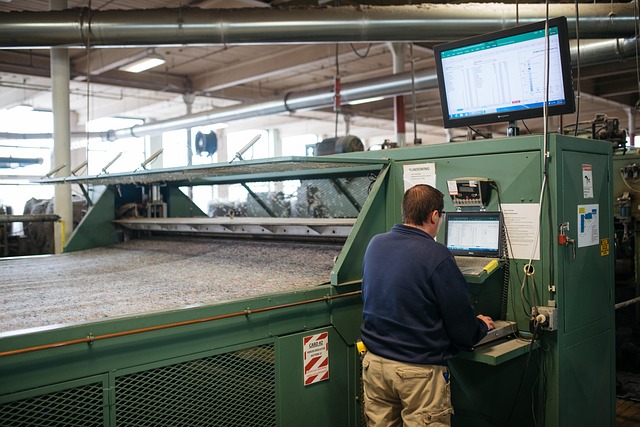
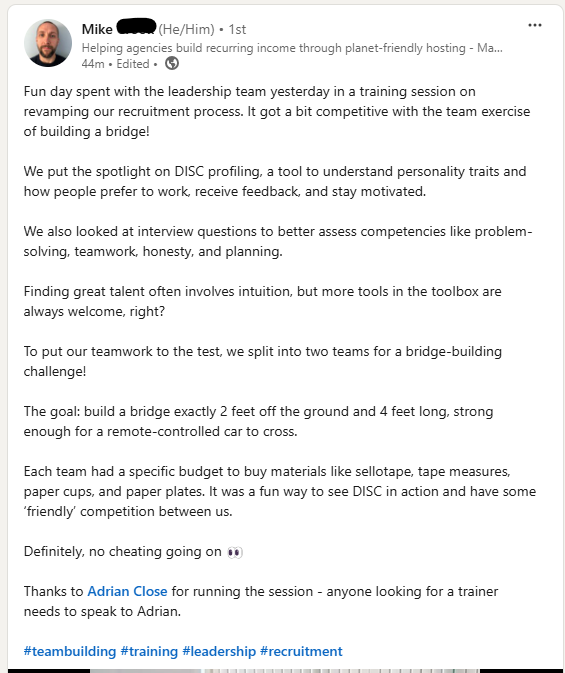 Front-line leadership development for production supervisors and team leaders Front-line leadership development for production supervisors and team leaders |
Delegation Helps Shift Leaders Stop Carrying EverythingMany shift leaders are promoted because they are good at getting things done. That strength can quickly become a trap.
Before long, the shift leader becomes the bottleneck. The team becomes dependent. The leader becomes overloaded. Development slows down. Delegation is not just a time management skill. It is a leadership skill. A strong shift leader learns to give responsibility, not just tasks. They explain what is needed, what the standard is, when it is needed and what support is available. They follow up without micromanaging. A shift leader who delegates well does not lose control. They build capability. This is vital in factories where future supervisors, team leaders and managers need to be developed from within. |
Confidence Is Built Through Structure
Confidence is one of the biggest differences between a shift leader who survives and a shift leader who succeeds.
But confidence does not come from a job title.
A new shift leader may feel pressure from both sides. They are expected to represent management expectations, but they may still feel close to the team. They may be leading former peers. They may be unsure how to challenge behaviour or make unpopular decisions.
Confidence grows when people know what to do.
When shift leaders have a structure for communication, they communicate better.
When they have a structure for delegation, they delegate better.
When they have a structure for performance conversations, they address issues earlier.
When they have a structure for accountability, they become more consistent.
Confidence is not about being loud, forceful or naturally charismatic. It is about being prepared.
The Online Leadership Academy for Manufacturing helps shift leaders build that preparation step by step.
It gives them practical tools they can use in real situations, not just ideas they hear once and forget.
What Is the Best Way to Develop Shift Leaders in a Factory
Factory shift leader training
The Best Training Fits Around the Factory
One of the biggest barriers to developing shift leaders is time.
- Factories are busy
- Production has to continue
- Shifts need covering
- People cannot always be taken off the floor for days
- Operational demands do not pause because training is important
This is where online leadership training becomes such a strong option.
The best way to develop shift leaders is not always to remove them from the factory for long blocks of time. It is to give them structured development they can access, apply and revisit while staying connected to the operation.
This is where the Online Leadership Academy for Manufacturing provides a practical answer.
It allows shift leaders, supervisors and team leaders to learn in manageable sections. They can develop without the business losing them from production for long periods. They can return to content when they need it. They can apply learning directly to the situations they are facing.
For busy factories, the most effective training is the training that improves leadership without disrupting production.
That is what makes the Academy such a cost-effective solution.
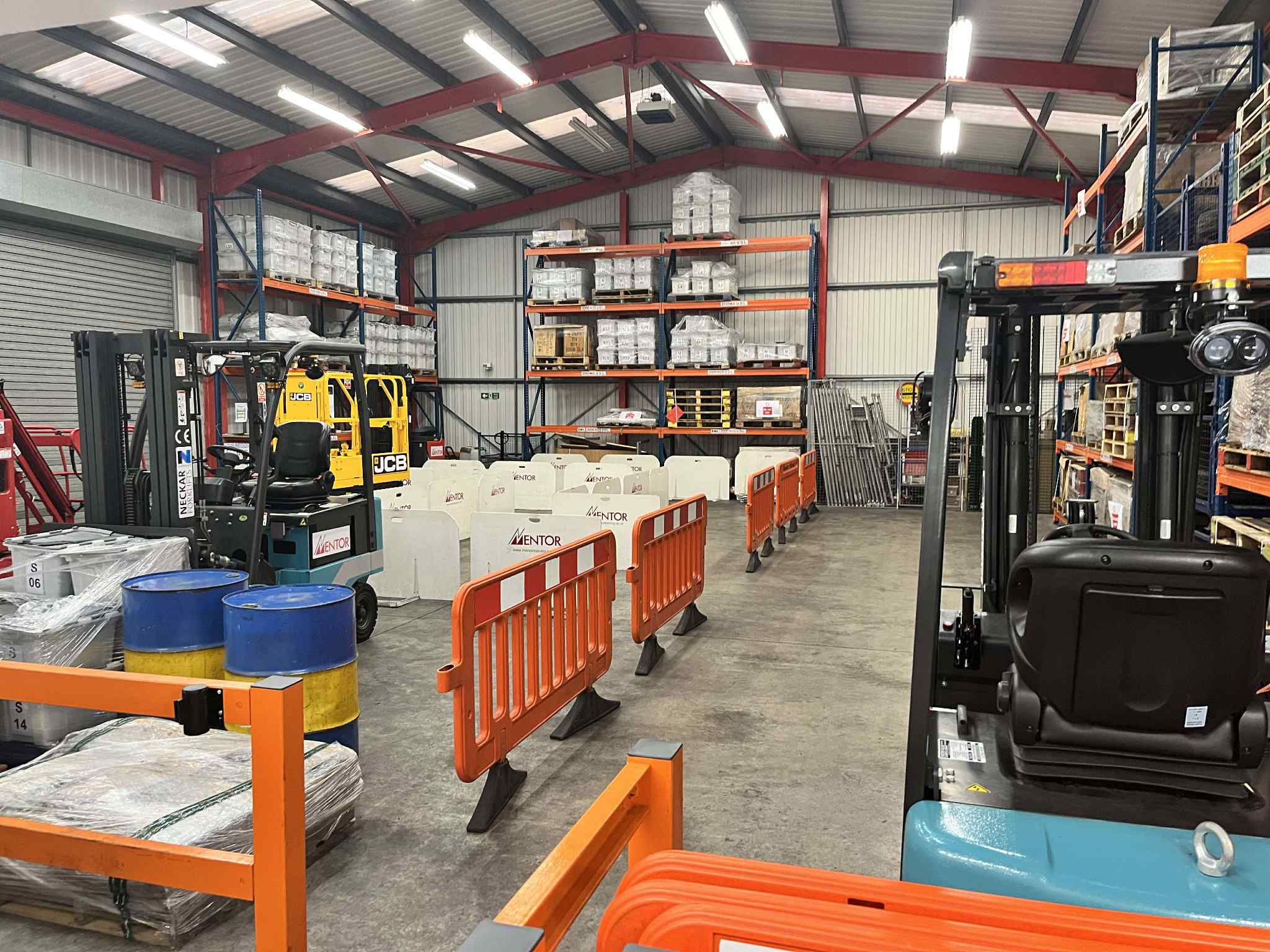
 Leadership development for supervisors managing teams on the shop floor
What Is the Best Way to Develop Shift Leaders in a Factory
Factory shift leader training
 Online management training for manufacturing team leaders and new managers
 Practical leadership skills for supervisors in production and operations
Why One-Off Training Is Often Not Enough
A one-day course can be useful.
- It can create awareness
- It can introduce ideas
- It can give people a boost
But leadership development rarely sticks after one event unless it is reinforced.
Shift leaders need time to practise. They need reminders. They need support. They need to revisit ideas after they encounter real challenges. They need to build confidence gradually.
This is why an academy model is so valuable.
It creates a pathway rather than a one-off event.
Leadership is not developed in a day. It is developed through learning, application, reflection and support.
The Online Leadership Academy for Manufacturing gives factories a way to build this development over time, while keeping the learning practical and relevant.
What Is the Best Way to Develop Shift Leaders in a Factory
Factory shift leader training
Why the Academy Is the Right Solution for Shift Leaders
The Online Leadership Academy for Manufacturing is designed for exactly the people factories rely on every day: shift leaders, supervisors, team leaders, new managers and managers who have never received formal leadership training.
It focuses on the practical skills that matter in manufacturing:
Communication.
Delegation.
Accountability.
Confidence.
Motivation.
Performance conversations.
Leading former peers.
Creating consistency.
Managing people in real operational environments.
It is not about complicated theory.
It is about helping technically capable people become confident leaders.
The Academy is especially valuable because it supports development without unnecessary disruption. It recognises that factories need leaders on the floor, but also need those leaders to keep improving.
The Academy gives your shift leaders the structure, support and practical leadership tools they need while allowing your business to keep moving.
That is the balance many factories are looking for.
The Real Question Factory Leaders Should Ask
The question is not simply:
“How do we train shift leaders?”
The better question is:
“How do we develop shift leaders in a way that improves confidence, consistency and performance without creating operational disruption?”
That question changes the answer.
It moves the business away from occasional training and towards structured development.
It recognises that shift leaders are too important to leave unsupported. It also recognises that the factory cannot simply stop so everyone can attend training.
The Online Leadership Academy for Manufacturing answers both sides of that challenge.
It develops people while respecting the realities of production.
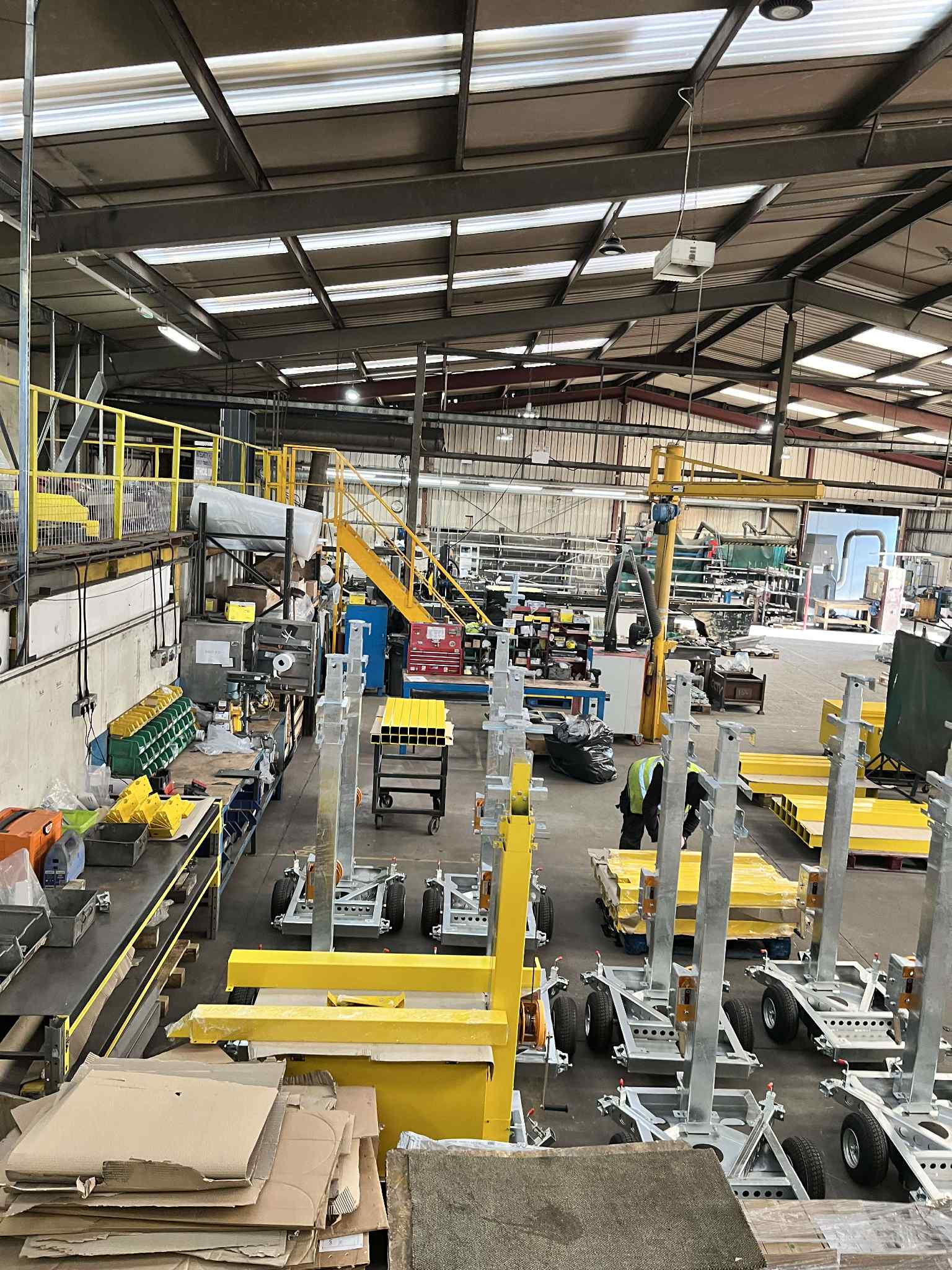 Manufacturing training programme helping managers lead with clarity and confidence
What Is the Best Way to Develop Shift Leaders in a Factory
Factory shift leader training
The Cost of Not Developing Shift Leaders
If shift leaders are not developed, the cost will show up somewhere.
It may show up in poor communication.
It may show up in weak handovers.
It may show up in repeated mistakes.
It may show up in inconsistent standards.
It may show up in unresolved people issues.
It may show up in senior managers being dragged into problems too often.
It may show up in good people becoming frustrated.
These costs are not always labelled as “training problems”.
But often, that is what they are.
They are signs that capable people have been given responsibility without enough leadership development.
When shift leaders are unsupported, the business ends up paying for the gap every day.
Developing them properly is not an extra. It is part of building a stronger factory.
Final Thought: What Is the Best Way to Develop Shift Leaders in a Factory
Shift leaders are central to factory performance.
They influence what happens at the start of the shift, during the shift and at handover. They influence standards, communication, morale, accountability and consistency.
They are often the first line of leadership your people experience.
That makes their development too important to leave to chance.
The best way to develop shift leaders in a factory is to give them practical, relevant and supported leadership training that fits around production and helps them apply what they learn immediately.
That is what the Online Leadership Academy for Manufacturing is designed to do.
It helps shift leaders become clearer communicators, stronger delegators, more confident decision-makers and more consistent people leaders.
Your factory does not just need shift leaders who know the job.
It needs shift leaders who know how to lead the people doing the job.
And with the right development, that is exactly what they can become.
Contact One of the Team Here to Discuss Your Training Needs
What Is the Best Way to Develop Shift Leaders in a Factory
Factory shift leader training
Companies That Have Received Leadership and Management training From Us - Both On and Off-line
 Manufactures Machines
 Civil Engineers
 Sheffield Engineering
 Carbon Technology


 Heating Solutions
 Engineers and Sustainability Consultants



 Chutney and Relish

 Food Producers




What Is the Best Way to Develop Shift Leaders in a Factory
Factory shift leader training
See our latest articles and more:
Which online leadership training works for manufacturing supervisors?
How do I train production team leaders without taking them off the floor for days?
What leadership skills do first-time managers in manufacturing need?
What is the best way to develop shift leaders in a factory?
Can leadership training be delivered online for manufacturing teams?
Why Promoting Technically Skilled People Without Leadership Training Creates Problems
The Leadership Skills Every Manufacturing Supervisor Needs to Succeed
How Online Leadership Training Can Support Busy Manufacturing Teams
From Shop Floor Expert to Confident Leader: What New Managers Need to Learn
Why Front-Line Leadership Development Is Critical for Manufacturing Performance
Click here for more information about Adrian Close, Director of Learning at Ultimate Leadership Training
 Adrian Close’s Starting Strong book used in leadership training for manufacturing managers
Thank you for visiting our What Is the Best Way to Develop Shift Leaders in a Factory page, here is a link to our Homepage
What is the best way to develop shift leaders in a factory? Discover why practical factory shift leader training helps improve communication, handovers, accountability, confidence and team performance without taking leaders away from production for long periods.
What Is the Best Way to Develop Shift Leaders in a Factory